 Historical Figure MBTI
#1100 · 8-16-26 · The Qin Dynasty
Jing Ke
The Assassin Who Almost Changed History
c. 257 – 227 BCE
3 min read
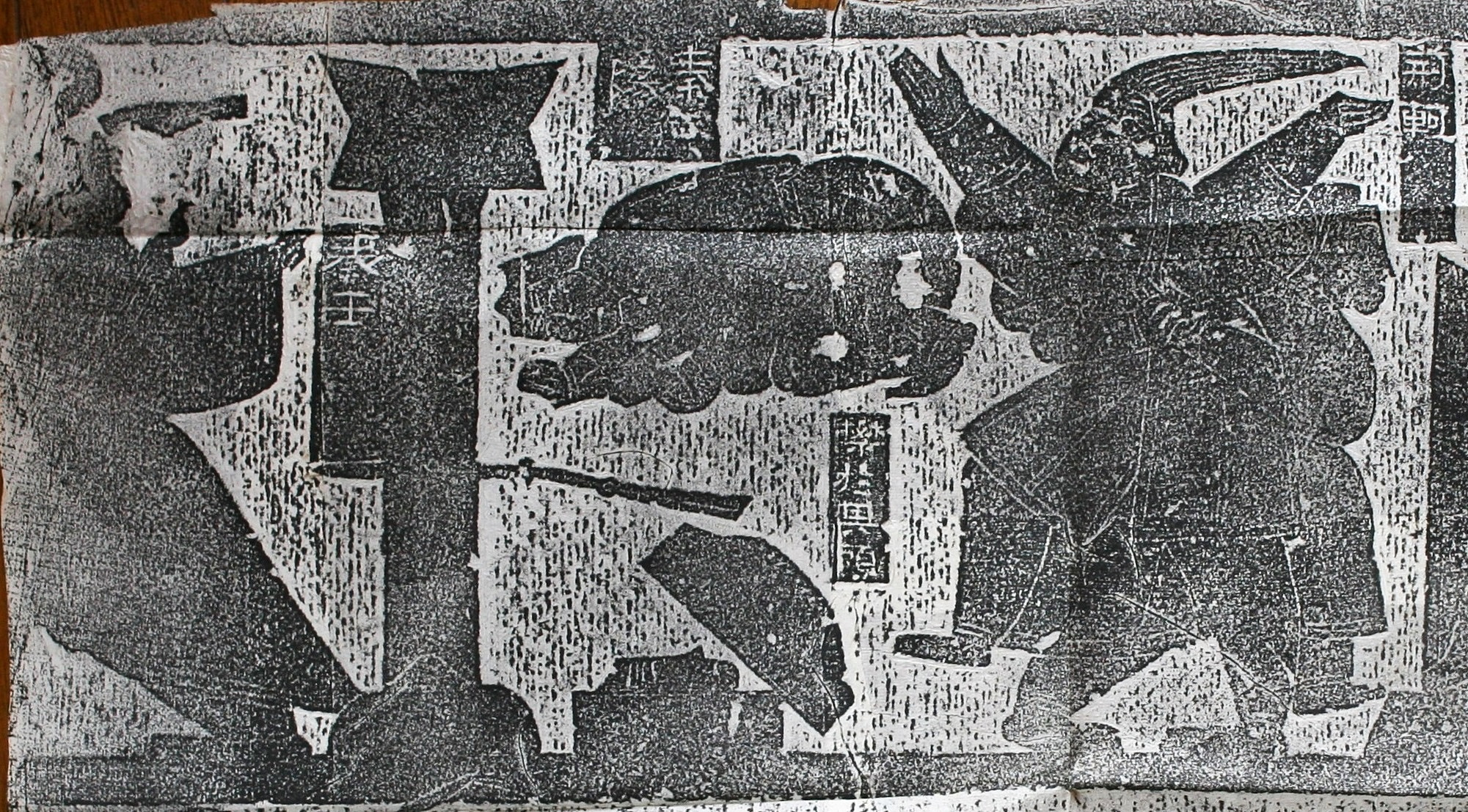
Jing Ke's assassination attempt, Han dynasty Wu Family Shrine stone relief
A Cold River, a Rolled Map
Almost nothing reliable survives of Jing Ke before the single afternoon that made him immortal. Sima Qian, writing a century later in the Shiji, gives him a wandering youth of swordsmanship and poetry, a reputation more literary than martial, and a series of patrons who did not quite know what to make of him — a man who read books and drank with butchers and dog-slaughterers in the marketplaces of Yan, apparently in no hurry to become anyone in particular. Then Crown Prince Dan of Yan, watching the King of Qin swallow one rival state after another, found him, treated him as an honored guest rather than a hired blade, and asked him to do what statecraft could not: walk into the Qin court alone and kill the king who was about to erase Yan from the map.
The plan was theater built around a knife. Jing Ke would arrive bearing the head of a Qin general who had defected and betrayed his king — a head its owner, Fan Wuji, gave up willingly once Jing Ke persuaded him it was the only weapon left that could reach the throne — and a map of Yan's most valuable territory, offered as the province's surrender. Rolled inside the map was a poisoned dagger. At the Yi River, before he crossed into Qin territory and out of the world he knew, Jing Ke sang a song that has outlived every dynasty since: the wind blows, the Yi River is cold; the hero once gone will never return. He did not pretend, even to himself, that he was coming back.
An ISFP account fits a man who staked his life not on a cause or a calculation, but on what he owed, personally, to a prince who had once treated him with respect.
Psychological Verdict
Jing Ke is one of history's cleanest cases of Fi driving a life to its end. He had no stake in Yan's survival as a political abstraction, no grievance against Qin's project of unification, and by several accounts no great confidence the mission would work. What he had was a private ledger of honor: Crown Prince Dan had welcomed him as an equal, and that welcome created an obligation no argument about odds could dissolve. That is the mark of dominant Fi — a value held so completely inward that it needs no external justification, only a moment that calls on it. The elaborate stagecraft of the mission, the borrowed head, the false surrender, the dagger dressed as a gift, belongs to auxiliary Se: a hands-on, improvisational showman's instinct for the single decisive gesture, executed in the room, in real time, rather than planned by committee. When the map ran out and the blade was bare, he did not freeze — he lunged, chased the king around a pillar, and kept fighting even after the throw missed and the wound was his own. The song at the river, sung once and never revised, is the whole man in miniature: a private feeling made public exactly once, then acted on without appeal.
Connected Figures
Further Reading
- Shiji (Records of the Grand Historian) — "Biographies of the Assassins" — Sima QianThe original account of Jing Ke's mission, written roughly a century after the events it describes.
- The First Emperor of China — Jonathan ClementsA readable modern narrative history situating the assassination attempt within Qin's unification of China.
- China: A New History — John King Fairbank and Merle GoldmanBroader context on the Warring States collapse and the Qin conquest that followed Jing Ke's failure.
