 Historical Figure MBTI
#1021 · 7-29-26 · The Second World War
Karl Donitz
The U-Boat Admiral · Hitler's Chosen Successor · Eight Days Inheriting Ruins
1891 — 1980
5 min read
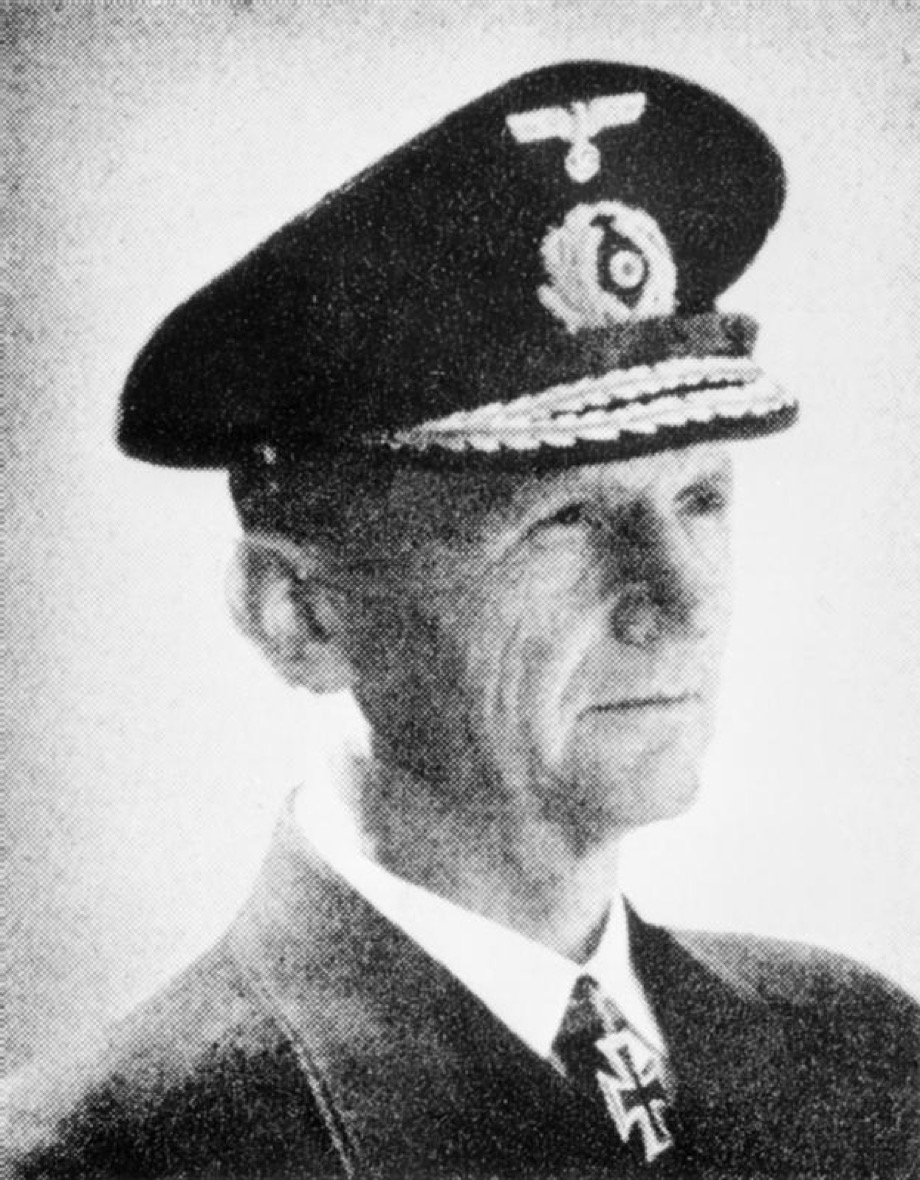
Portrait of Karl Donitz
The Engineer of the Wolfpack
Karl Dönitz did not want to run a country. He wanted to run a fleet — and for most of his career, that was exactly the shape of his ambition. As commander of Germany's U-boat force through the Battle of the Atlantic, he built submarine warfare into something closer to an industrial process than a romantic naval tradition: coordinated wolfpacks, standardized tactics, relentless attention to logistics, fuel, and crew rotation. He was, by temperament and training, a specialist — meticulous, procedural, more comfortable with charts and patrol schedules than with grand strategy or public rhetoric.
That is what makes the final chapter of his career so strange. In April 1945, with Berlin encircled and the regime collapsing, Adolf Hitler named Dönitz — not Göring, not Himmler, not any of the party's more visible figures — as his successor. For eight days, a submarine tactician who had spent decades below the waterline became head of a disintegrating state, and he ran that state exactly as he had run his fleet: quietly, procedurally, and with an eye fixed on saving as many people as could still be saved from the advancing Soviets before signing the surrender.
Dönitz was an ISTJ down to the last order he gave — a man whose authority rested entirely on procedural mastery (dominant Si), never on charisma.
A Doctrine Built From Precedent
Dönitz's dominant introverted sensing shows most clearly in how he built the U-boat arm, not in any single dramatic decision. He had commanded a submarine himself in the First World War and was captured after his boat was disabled — an experience he absorbed as data, not trauma, carrying forward exact lessons about what had failed and refining them for two decades. When he took over Germany's submarine service in the 1930s, he did not improvise a doctrine; he built one methodically from remembered precedent, drilling crews on standardized procedures until the tactics became reflexive.
The wolfpack itself was less a flash of inspiration than the disciplined codification of lessons about convoy interception, radio coordination, and nighttime surface attacks — refined patrol by patrol, report by report. Even his memoirs, written years later in Allied custody, read less like a general's self-justification than a technician's after-action report: dates, tonnages, and operational sequences recalled with almost obsessive precision. This was a man who trusted what had been tested and observed far more than what might be imagined.
That same instinct governed his brief chancellorship. Rather than improvise new policy for a state that no longer functioned, he fell back on established forms — cabinet meetings, chains of command, formal instruments of surrender — because procedure was the only stable ground he knew how to stand on.
Eight Days of Administration, Not Leadership
Auxiliary extraverted thinking gave Dönitz the capacity to organize and execute under pressure — but it operated in service of the established system, not in defiance of it. Throughout the war, he pushed for measurable, quantifiable outcomes: tonnage sunk per patrol, boats lost per convoy attacked, production targets for new U-boat classes. He argued with Hitler and Speer in the vocabulary of output and efficiency, not ideology, which is precisely why he retained the Führer's trust even as more flamboyant commanders fell out of favor.
As head of the short-lived Flensburg government, that same Te discipline reasserted itself immediately. Dönitz did not attempt to rally the nation, deliver defiant broadcasts, or contest the war's verdict. He set a narrow, executable objective — buy time in the west while shifting as many troops and refugees as possible away from the Soviet advance in the east — and then organized his skeleton administration around achieving it, ending with the unconditional surrender to the Allies on May 8, 1945.
It was a caretaker's use of power: efficient, task-bound, and entirely without theater.
Why ISTJ Over ESTJ
Why not ESTJ?
Dönitz had the Te discipline of an ESTJ but none of its outward command presence. His authority came from operational expertise quietly demonstrated over decades, not from projecting confidence or rallying subordinates through visible leadership. He ran the Flensburg government the same way he had run the U-boat fleet: from behind a desk of orders and procedures, not from the front of a room. That inward-facing, low-key exercise of authority is Si-dominant, not Te-dominant.
The distinction matters because history handed Dönitz a moment that looked like leadership — head of state, signer of the surrender — and it is tempting to read competence in that role as evidence of extraverted command. But everything about how he occupied it argues otherwise: no address to the nation, no attempt to shape a narrative, only the methodical closing of accounts on a war he had fought as a specialist and ended as an administrator.
Connected Figures
Further Reading
- Memoirs: Ten Years and Twenty Days — Karl DönitzHis own account of the U-boat war and the final days of the Reich
- Dönitz: The Last Führer — Peter PadfieldThe standard critical biography
- The U-Boat War in the Atlantic, 1939-1945 — Jürgen RohwerOperational history of the wolfpack campaign
- The Nuremberg Trials — International Military Tribunal RecordsProceedings and verdict against Dönitz
