 Historical Figure MBTI
#894 · 6-29-26 · The American Civil War
Mary Ann Bickerdyke
'Mother' Bickerdyke · Battlefield Nurse
1817 — 1901
3 min read
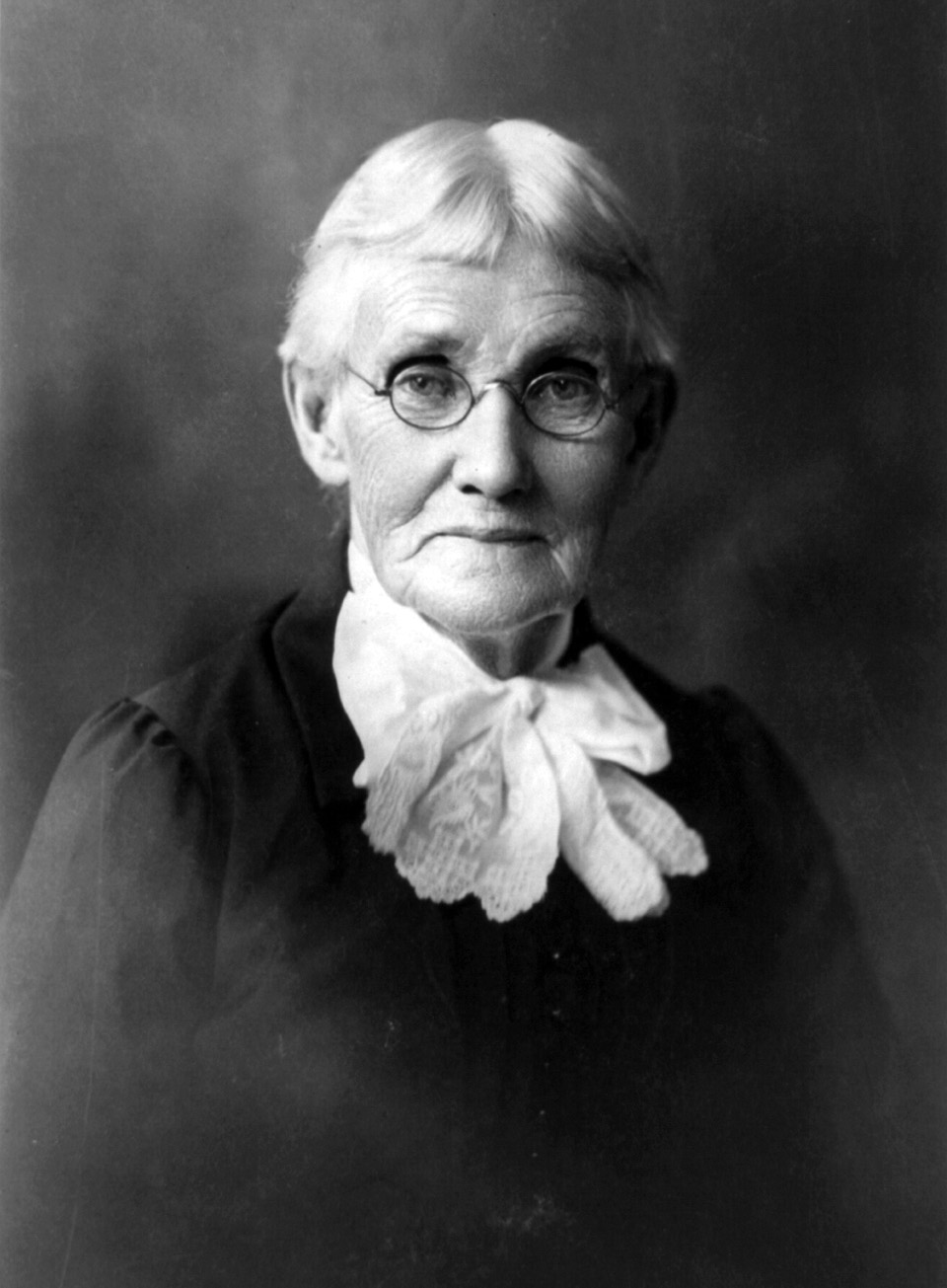
Portrait of Mary Ann Bickerdyke
A Broom Against the Army
She arrived at Cairo, Illinois in the summer of 1861 with a single letter of introduction and no official standing whatsoever, and what she found in the Union field hospitals there — filth, rot, medicine spoiling in the heat, men dying not of their wounds but of the neglect around them — offended her so thoroughly that she simply started fixing it. Mary Ann Bickerdyke was a forty-four-year-old widow, a trained herbalist and part-time nurse from Galesburg, with no rank, no commission, and no patience for either. She scrubbed floors herself when no one else would. She commandeered kitchens. She built laundries out of nothing. And when a surgeon objected to a woman rearranging his ward, she rearranged it anyway.
What followed was four years of nearly every major campaign in the Western theater — Shiloh, Vicksburg, Chattanooga, the March to the Sea — with Bickerdyke moving through the wreckage of each battle as a kind of one-woman logistics corps, answerable, by her own account and everyone else's, to no one but Grant and Sherman. The line has passed into legend for good reason: when an officer complained to Sherman that "Mother" Bickerdyke had defied his orders, Sherman is said to have replied that she outranked him and there was nothing to be done about it. She built that outranking herself, one requisitioned wagon and one browbeaten quartermaster at a time.
After the war she kept working the same way she always had — helping veterans file pension claims, running a boarding house in Kansas, lobbying for the destitute soldiers no one else bothered with, and finally receiving her own government pension in 1886 only after Congress was shamed into it. She never dressed the part of a reformer and never sought the credit; the record of what she did survives mostly in the letters of the men who watched her do it.
She did not ask for authority — she supplied it, the way she supplied everything else, because someone plainly had to and no one else would.
Connected Figures
Further Reading
- Cyclone in Calico: The Story of Mary Ann Bickerdyke — Nina Brown Baker1952
- Women at the Front: Hospital Workers in Civil War America — Jane E. Schultz2004
- Yankee Women: Gender Battles in the Civil War — Elizabeth D. Leonard1994
