 Historical Figure MBTI
#1062 · 8-8-26 · The Amarna Period
Smenkhkare
The Contested King
r. c. 1335 – 1334 BCE
2 min read
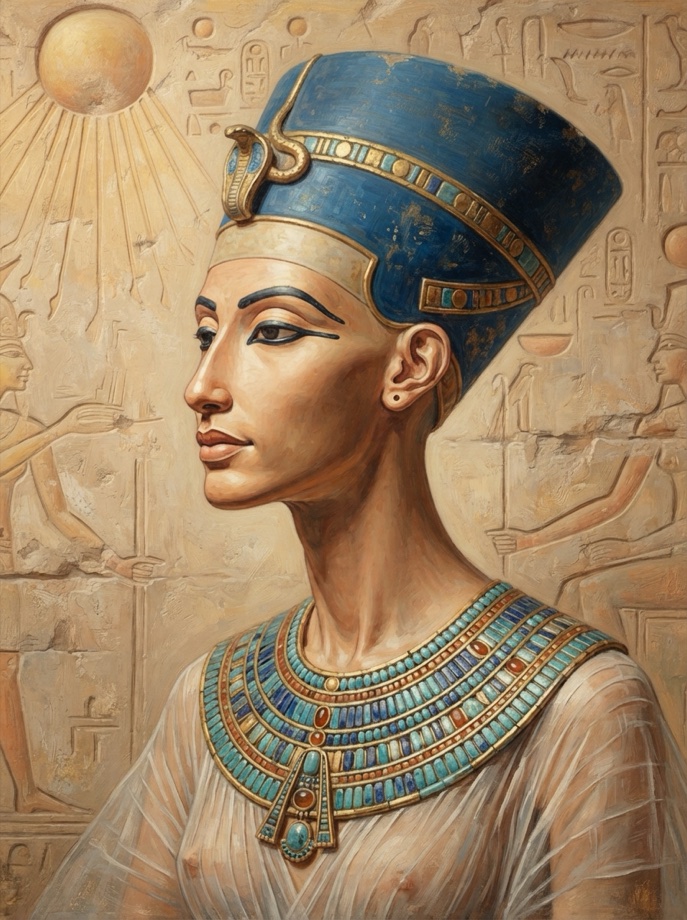
AI-assisted Portrait of Smenkhkare
A Name Without a Face
Smenkhkare may be the single most disputed identity in Egyptology. The name appears as a throne name attached to a ruler who reigned only a year or two at the very end of Akhenaten’s tumultuous reign, bridging the gap before the boy who would become Tutankhamun took the throne. Beyond that bare outline, almost nothing is agreed upon.
Was Smenkhkare a separate man — Akhenaten’s brother or son, elevated as a co-regent to steady a wobbling succession? Or is “Smenkhkare” simply another throne name adopted by Nefertiti herself, ruling in a male royal role after Akhenaten’s decline or death, as a growing body of scholarship now argues? The surviving inscriptions can be read to support either case, and sometimes both readings even coexist within the same reign’s scant evidence.
Why This Entry Stays Untyped
Typing a historical figure requires evidence of a person acting — choosing, reacting, revealing preference under pressure. Smenkhkare offers not even a settled identity, let alone a personality. The name survives on a handful of monuments and objects, several of them apparently altered from earlier inscriptions bearing other royal names, which is itself part of why the scholarly debate over who — or what — Smenkhkare was remains unresolved.
Given that uncertainty, any claim about how this ruler thought or decided would be building a psychological profile on top of a name whose owner is not even confidently known. The honest entry here is the mystery itself: a two-year reign, a handful of ambiguous inscriptions, and a question Egyptology has not settled.
Connected Figures
Further Reading
- Amarna Sunset — Aidan DodsonThe most detailed treatment of the Smenkhkare identity debate.
- Akhenaten: Egypt's False Prophet — Nicholas ReevesDiscusses the competing theories on Smenkhkare's identity.
