 Historical Figure MBTI
The Amarna Period
c. 1352 – 1323 BCE
Akhenaten's religious revolution, the golden mask of Tutankhamun, and the family caught between them.
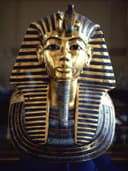
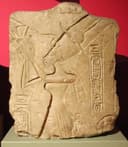
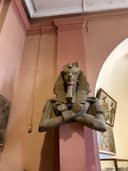
Akhenaten abandoned Egypt's thousand gods for one and built a new capital in the desert to worship it, with Nefertiti as the public face of the new religion beside him. It lasted less than twenty years. His heirs — the boy king Tutankhamun, steered by older men, and his widow Ankhesenamun, who wrote to a foreign king begging for a husband rather than marry a subject — inherited a court unraveling from the experiment.
The fixer Ay and the general Horemheb outlasted them all, and it was Horemheb who erased Akhenaten's revolution from the record so thoroughly that his city vanished from memory for three thousand years.
9 figures · sorted by birth year
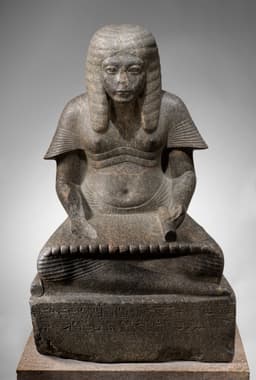
Horemheb
renownESTJ
The general who restored order and erased the Amarna revolution from memory.
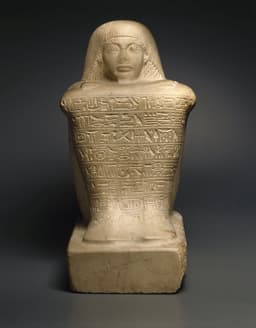
Ay
notableINTJ
The old courtier who outlasted three reigns of crisis to take the throne himself.
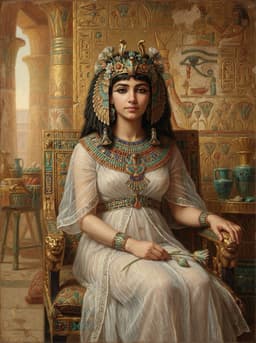
Ankhesenamun
renownINFP
A widowed queen who begged a foreign king for a husband rather than marry a subject.
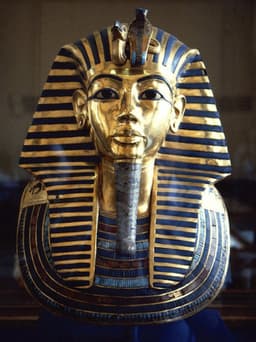
Tutankhamun
iconicISFP
The boy king remembered for his intact tomb far more than his steered, brief reign.
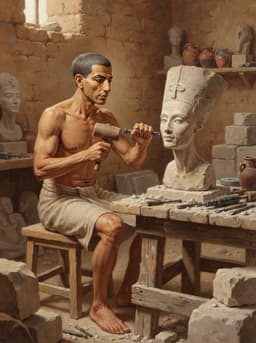
Thutmose (sculptor)
notableISFP
The workshop sculptor whose bust of Nefertiti became the ancient world's most famous face.
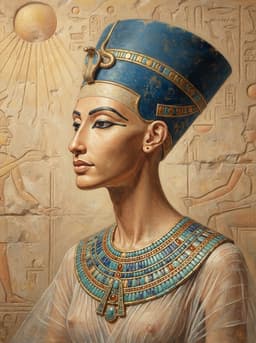
Smenkhkare
obscureUNTYPED
A pharaoh whose identity — and even sex — remains one of Egyptology's great mysteries.
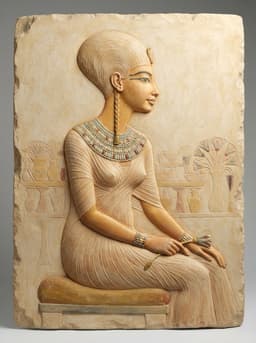
Meritaten
obscureISFJ
Akhenaten's eldest daughter, a steadying presence through a collapsing court.
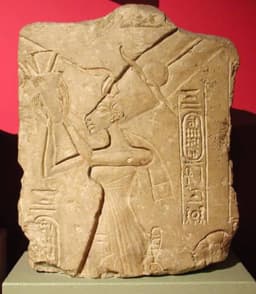
Nefertiti
iconicENFJ
The radiant public face of Akhenaten's religious revolution.
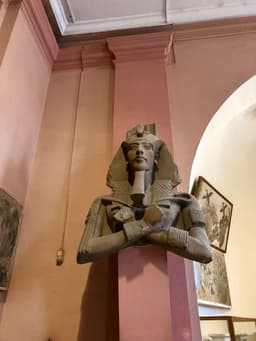
Akhenaten
iconicINFJ
The heretic king who abolished Egypt's gods and built a new capital for one.

Sign up for monthly insights
Monthly insights into history's most influential figures — examined through psychology, context, and cognitive pattern. Less stereotype, more structure. History, but with a mind map.
Powered by Buttondown