 Historical Figure MBTI
#336 · 3-30-26 · Frederician Prussia
Sophia Dorothea of Hanover
Queen of Prussia · Dynastic Schemer · The Cultured Mother
1687 — 1757
4 min read
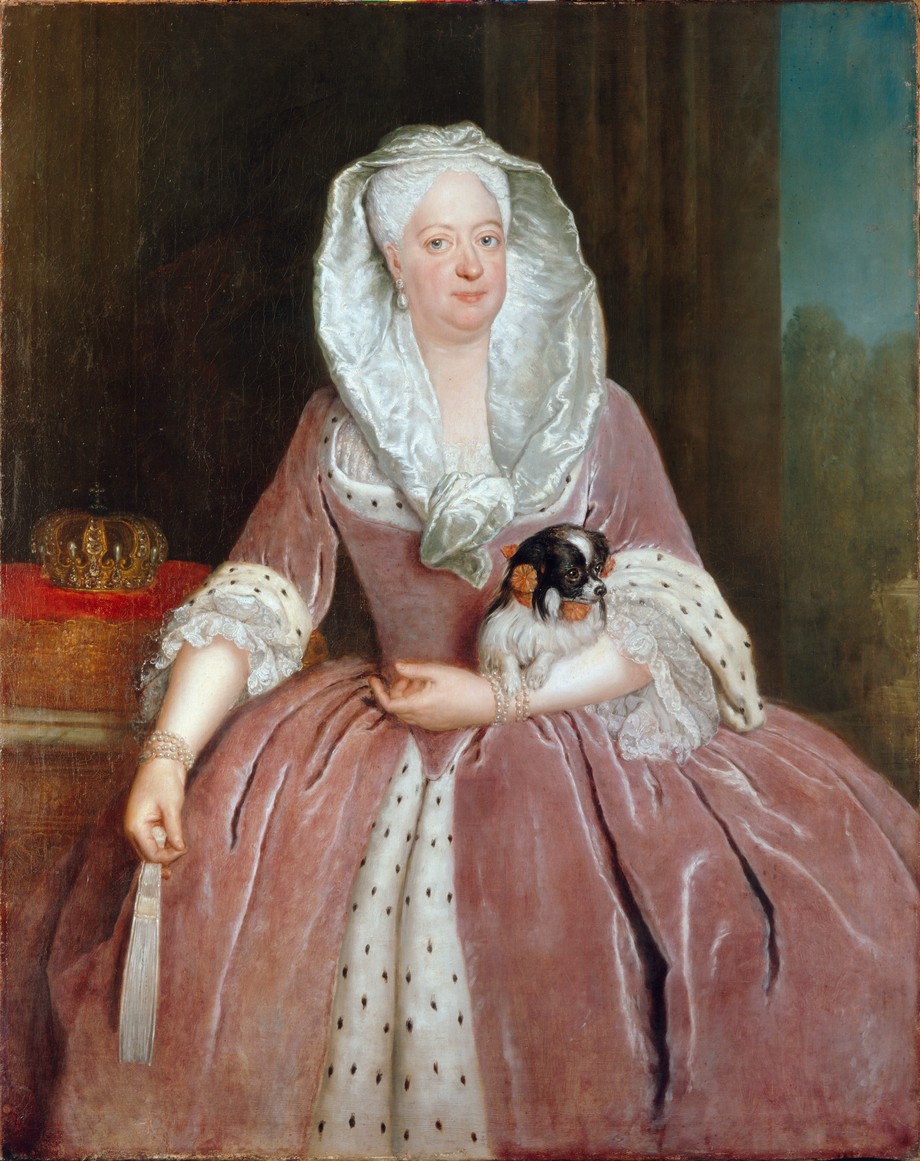
Portrait of Sophia Dorothea of Hanover
The Versailles Sensibility Marooned in a Barracks
Born in 1687, Sophia Dorothea grew up in a German court that looked longingly toward Paris. She loved French fashion, the opera and the masquerade, the whole apparatus of polite society in which a gracious woman could shine. When she married in 1706, at nineteen, she carried every expectation of a brilliant court life. What she got instead was Frederick William I, the “Soldier King” of Prussia—and a marriage that would feel, for fifty years, like an exile inside her own household.
He was everything she was not: where she prized grace, he prized thrift; where she loved beauty, he wore a plain coat and counted every thaler, turning his court into a barracks and his table into a smoke-filled Tabakskollegium. She suffered his tempers and poured her energies into a single consuming project: a grand dynastic future built by her own management. That project, and the social mastery behind it, mark her as an ENFJ—a type whose gifts run outward, toward charm, persuasion, and the patient orchestration of others' lives.
Sophia Dorothea was the ENFJ in a court that gave her nothing to work with—a dominant extraverted feeling that read and charmed and managed every room she entered, paired with an auxiliary introverted intuition that fixed on a single dynastic future and schemed toward it for years.
The Queen Who Read Every Room
Fe — dominant
In a Prussia stripped of every grace, Sophia Dorothea remained the cultivated centre of what social life the kingdom possessed: gracious to ambassadors, fluent in the European courtliness her husband scorned. Where he saw a budget, she saw a network to cultivate and bind to her purposes. To Frederick and Wilhelmine she was the warm pole of a frightening household, the refuge from a father whose discipline ran to public beatings. She drew them toward music and French letters, sympathized with the sensitive boy his father called a fop. But the warmth came with a price tag: demanding, image-conscious, quick to make her children instruments of her ambition. Wilhelmine's memoirs record a mother who loved fiercely and managed relentlessly—tender and manipulative in the same breath.
The Long Game of the Double Marriage
Ni — auxiliary
Auxiliary Ni gave Fe a destination to steer toward. For two decades Sophia Dorothea nursed a single grand design: a double marriage welding the houses of Prussia and Hanover-Britain into one—Frederick to her British niece, Wilhelmine to the Prince of Wales. She worked it patiently through envoys, correspondence, and dynastic courtship until it became the meaning of her marriage and her motherhood both. And it broke. The scheme foundered in the cross-currents of Austrian and British interests, the machinations of the minister Grumbkow, and Frederick William's hardening suspicion. He married his children elsewhere; Wilhelmine was packed off to Bayreuth. Ni invests so totally in its vision that failure feels like a wound to the self, and she carried the bitterness of the lost design for the rest of her life.
Silk, Opera, and the Hunger for Splendor
Se — tertiary
Sophia Dorothea had a full appetite for beauty, display, and visible splendor—precisely the thing her marriage starved. She loved French fashion, opera, and the gilded ceremony her brother enjoyed across the Channel; her husband regarded all of it as ruinous extravagance. She built what splendor she could at her own residence of Monbijou, carving out a pocket of cultivated life in defiance of a king who would have had her live as plainly as a colonel's wife. As a tertiary rather than dominant function, the love of display served her higher purposes: fashion and opera were part of how she projected status and signaled the family's worthiness for the grand alliances she sought. The splendor was bound up with the ambition.
The Cold Logic She Never Reached For
Ti — inferior
Inferior Ti is the ENFJ's blind side: the detached logic that weighs a situation on its merits, not its human relationships. Her confidence that the double marriage could be achieved rested on family feeling, charm, and the rightness of the design in her own mind—not on a cool reckoning of the Austrian interests, British politics, and her husband's temperament stacked against it. The structural realities that no warmth can soften got underweighted until they broke the plan. She carried the defeat as a lasting grievance—held whole, never performing the cold autopsy that would let it go.
Why ENFJ Over INFJ
Why not INFJ?
The INFJ shares Fe and Ni, and the long-range vision can tempt the reading—but the INFJ leads with Ni and engages the social world selectively, from reserve. Sophia Dorothea's gift ran the other way: dominant Fe, outward and active, charming a court, managing a household of fourteen, orchestrating a dynastic campaign for years. She did not withdraw to nurse a private vision; she worked a room, a family, a network of courts.
The INFJ's vision comes first and social engagement serves it; the ENFJ's social engagement comes first and vision gives it direction. Sophia Dorothea was not a contemplative who occasionally descended into court politics—she was a court politician to the marrow. Her bitterness at the scheme's collapse was not a private seer's disappointment but the defeat of an operator who had worked every lever she could reach. The dream was Ni; the decades of working the room were Fe—and it was Fe that ran her life.
Connected Figures
Further Reading
- Memoirs of Wilhelmine, Margravine of Bayreuth — Wilhelmine of Bayreuth (trans. Princess Christian of Schleswig-Holstein)The essential primary source: Frederick's sister records the Prussian court's family drama in mordant, eyewitness detail.
- Frederick the Great: A Life in Deed and Letters — Giles MacDonoghCovers the formative household and Sophia Dorothea's role as the cultivated counterweight to her husband's severity.
- Frederick the Great: King of Prussia — Tim BlanningA comprehensive biography that traces Frederick's artistic and intellectual debts to his mother's Hanoverian sensibility.
- The Court of Frederick the Great — E. Beresford ChancellorA social history of the Prussian court depicting the household Sophia Dorothea inhabited and shaped.
