 Historical Figure MBTI
The Age of the Buddha
c. 6th – 5th century BCE
The Ganges plain's ferment of wandering teachers, kingdoms, and renunciants, out of which Siddhartha Gautama and Mahavira built rival paths to liberation.
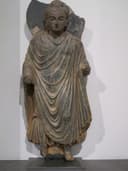
Along the Ganges plain, a generation of wandering teachers broke from Vedic orthodoxy to ask what caused suffering and how to end it. Siddhartha Gautama, a prince who left his wife Yasodhara and infant son to seek an answer, found it under a tree and spent the rest of his life teaching it — attended for decades by his cousin and closest disciple Ananda, and challenged from within his own order by his rival cousin Devadatta. A contemporary, Mahavira, arrived at a rival path of radical non-violence that became Jainism.
Both movements needed patrons to survive, and found them in the kings of Magadha: Bimbisara, an early supporter of the Buddha, and his son Ajatashatru, who seized the throne by force and only later turned to the faith his father had sheltered.
7 figures · sorted by birth year
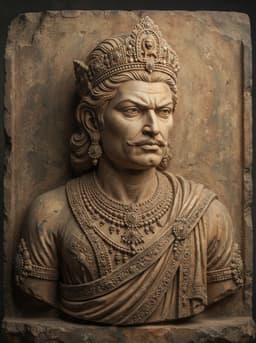
Ajatashatru
notableESTP
The patricide who built an empire, then sponsored the Buddha's first council.
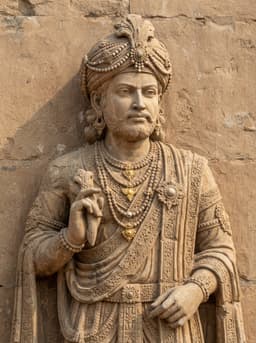
King Bimbisara
notableESFJ
The king who sheltered the Buddha and died a prisoner of his own son.
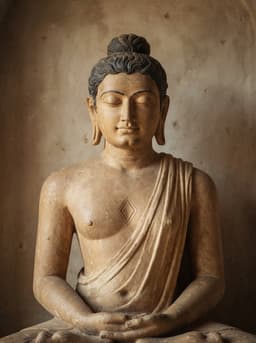
Mahavira
renownINTJ
The founder of Jainism, who renounced clothing and swept his own path to avoid killing an insect.
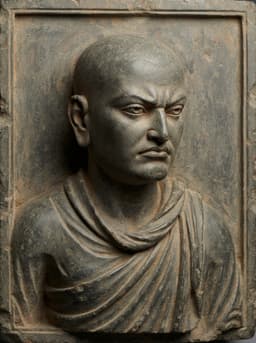
Devadatta
notableENTJ
The cousin who tried to seize the Buddha's own order and became a byword for schism.
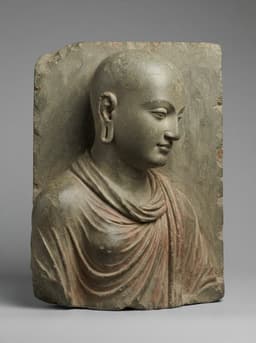
Ananda
notableISFJ
The cousin whose perfect memory of every sermon became the Buddhist canon.
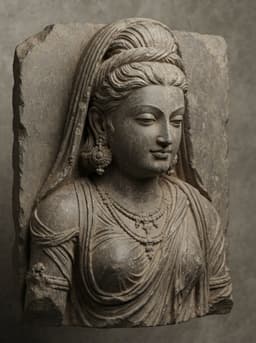
Yasodhara
notableINFP
The wife left behind who later found enlightenment of her own.
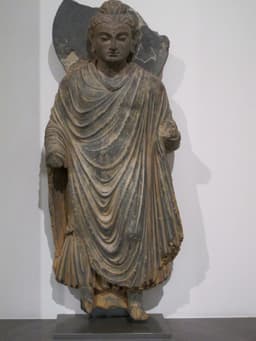
Siddhartha Gautama
iconicINFJ
The prince who left his throne to end suffering and founded Buddhism.

Sign up for monthly insights
Monthly insights into history's most influential figures — examined through psychology, context, and cognitive pattern. Less stereotype, more structure. History, but with a mind map.
Powered by Buttondown