 Historical Figure MBTI
The Civil Rights Movement
~1856 – 1968
Booker T. Washington through MLK and Malcolm X — a century of Black American intellectual and political struggle.
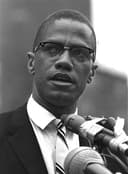
W.E.B. Du Bois published The Souls of Black Folk in 1903 — one of the most important books in American history, introducing the concept of "double consciousness" and the problem of the color line. Booker T. Washington was already the most famous Black man in America, and they disagreed fundamentally about strategy: accommodation and economic self-sufficiency versus full political equality, now. Both men were right about different things. The argument between them defined the century.
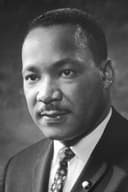
Fifty years later, Martin Luther King Jr. was standing on the steps of the Lincoln Memorial. Malcolm X was watching on television, unsatisfied with the pace and the framing. Their wives — Coretta Scott King and Betty Shabazz — outlived them both and spent decades carrying the work forward. The Civil Rights Movement wasn't one movement. It was a long argument across generations, carried in churches and courtrooms and streets.
8 figures · sorted by birth year
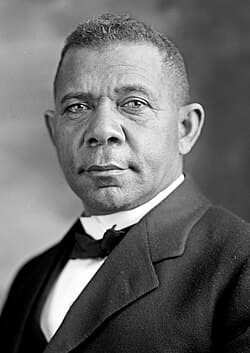
Booker T. Washington
renownENTJ · b. 1856
The man who built Tuskegee University from nothing
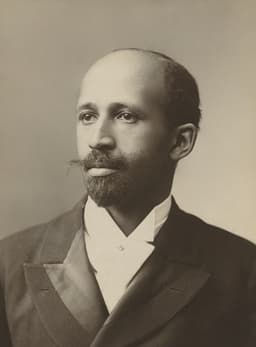
W. E. B. Du Bois
renownINTJ · b. 1868
Sociologist, Historian, Pan-Africanist, and Architect of Modern Black Consciousness.
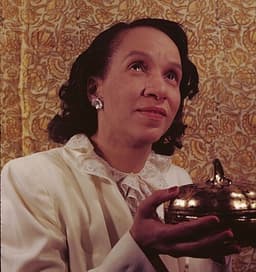
Shirley Graham Du Bois
notableENFP · b. 1896
W. E. B. Du Bois's second wife — who carried his work forward after his death
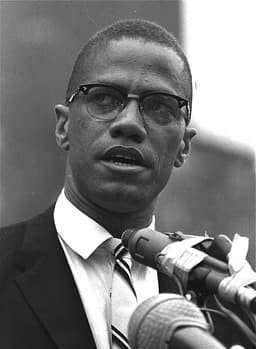
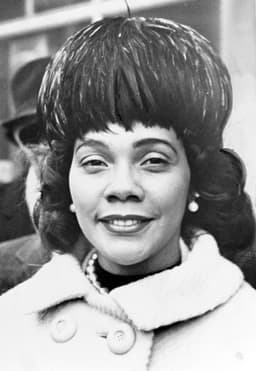
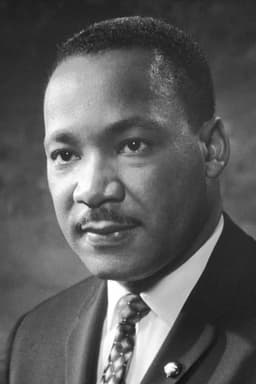
Martin Luther King Jr.
iconicINFJ · b. 1929
The Prophet of the Beloved Community
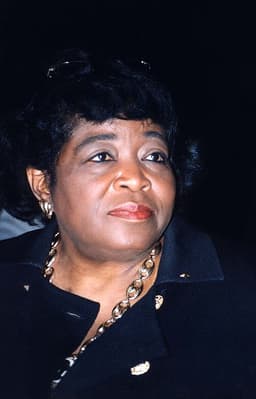
Betty Shabazz
notableINFJ · b. 1934
Malcolm X's wife — who watched him die on stage
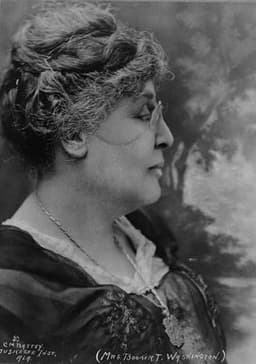
Margaret Murray Washington
notableISTJ
Booker T. Washington’s third wife — who ran Tuskegee’s women’s programs

Sign up for monthly insights
Monthly insights into history's most influential figures — examined through psychology, context, and cognitive pattern. Less stereotype, more structure. History, but with a mind map.
Powered by Buttondown