 Historical Figure MBTI
6 min read
#86 · 3-3-26 · The Founding Generation of USA
Angelica Schuyler Church
American socialite, political correspondent, and transatlantic connector of revolutionary circles.
1756 — 1814
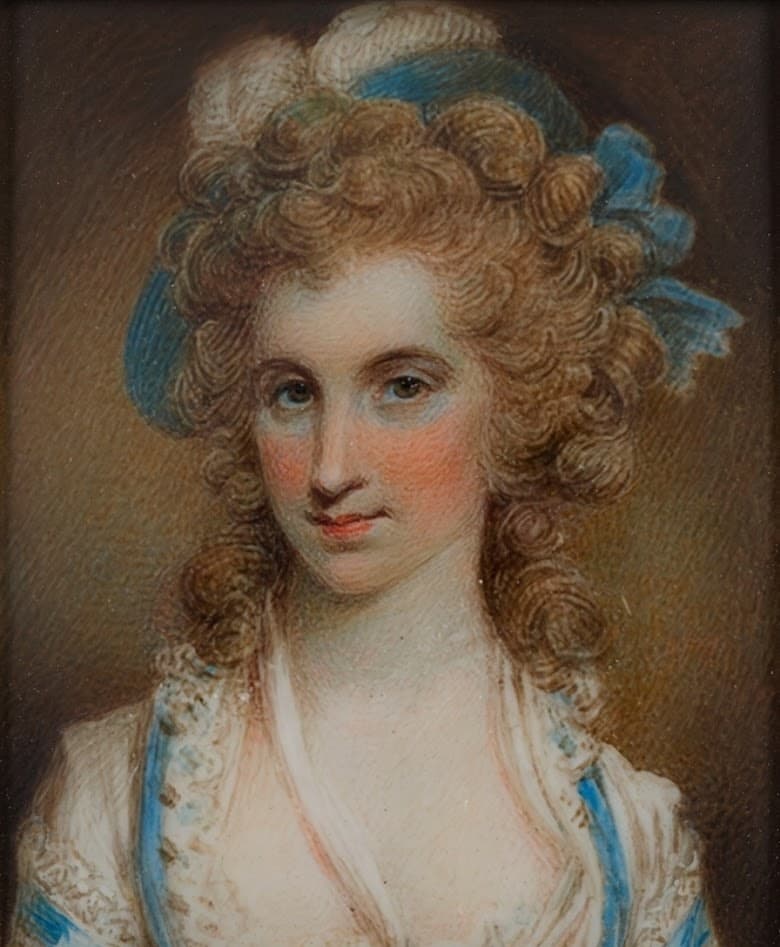
Ai-assisted Portrait of Angelica Schuyler Church.
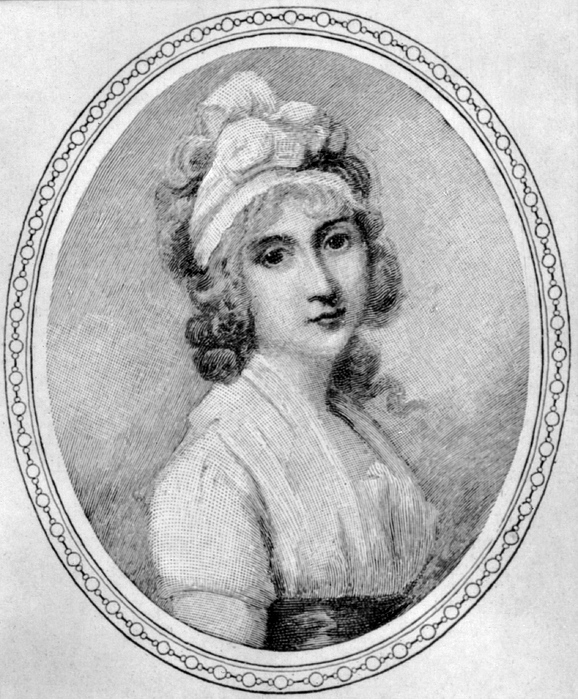
The Witty Diplomat of the Revolutionary Generation
Born in 1756 into the influential Schuyler family of New York, Angelica Schuyler Church grew up surrounded by political power and intellectual conversation.
Her father, Philip Schuyler, was one of the most prominent military and political leaders of the American Revolution. Their household regularly hosted officers, politicians, and diplomats, exposing Angelica early to the world of political strategy and public life.
But Angelica did not simply observe these conversations.
She became one of their most memorable participants.
Contemporaries consistently described her as exceptionally intelligent, socially confident, and remarkably quick-witted. Her letters reveal a personality comfortable sparring intellectually with some of the most powerful figures of the revolutionary era.
After marrying British-born merchant John Barker Church, Angelica moved into an even wider social world. For many years she lived in Paris and London, moving easily among diplomats, aristocrats, and political thinkers.
Her social circle included figures such as Benjamin Franklin, Thomas Jefferson, and her famous brother-in-law Alexander Hamilton, with whom she maintained a lively and intellectually playful correspondence. She remained the closest confidante of her sisters, Elizabeth Schuyler Hamilton and Peggy Schuyler.
Angelica did not hold public office or command armies.
But she thrived in the environment where politics, ideas, and relationships intersected — the salons, dinners, and private conversations that shaped the revolutionary world.
In these spaces, her wit and intellect made her unforgettable.
The Psychological Verdict
Angelica Schuyler Church is best understood as ENTP.
Her surviving letters reveal a personality driven by curiosity, humor, and intellectual playfulness. She delighted in wordplay, teasing exchanges, and lively conversation — often engaging in clever rhetorical sparring with political figures around her.
Rather than expressing herself primarily through moral conviction or emotional sentiment, Angelica’s communication style reflects exploration of ideas and perspectives, a hallmark of the Ne–Ti cognitive pattern.
She was not attempting to guide political movements or build institutions.
She was engaging with the ideas that shaped them.
Why not ESFJ or ENFJ?
Angelica’s social dexterity and her position at the center of influential circles often lead observers toward Extroverted Feeling (Fe) types such as ESFJ or ENFJ. After all, she was a master of the salon, an environment built on social navigation and interpersonal connection.
However, the core driver of Angelica’s personality was not social harmony or structured leadership, but intellectual playfulness and novelty.
An ESFJ is primarily guided by Si–Fe—a combination that prioritizes tradition, established social order, and the maintenance of communal stability. Angelica, by contrast, was restlessly curious, moving across continents and thriving in the unstructured exchange of ideas. She prioritized witty rhetorical sparring and individual intellectual connection over the preservation of social conventions.
An ENFJ is driven by Fe–Ni—a visionary focus on people and the building of cohesive social movements or institutions. While Angelica was highly persuasive, she was not trying to lead a cause or organize a movement. She was more interested in the "game" of the conversation itself—exploring possibilities and playing with concepts rather than converging on a single social or ideological vision.
In Angelica, we see the Ne–Ti preference: she connected people not for the sake of a communal structure, but because connecting people connects ideas.
Ne — dominant
Angelica’s defining trait was her intellectual curiosity.
Her letters reveal a mind constantly playing with ideas, jokes, and observations about the people around her. She moved easily between political topics, personal commentary, and witty banter.
Dominant Extraverted Intuition (Ne) thrives in environments where ideas and perspectives flow freely.
The salons and political gatherings of the revolutionary generation provided exactly that environment, and Angelica flourished within it.
Ti — auxiliary
Behind Angelica’s humor and charm was a sharp analytical mind.
Her correspondence often contains subtle logical structures, rhetorical reversals, and clever arguments that suggest strong Introverted Thinking (Ti).
Rather than expressing rigid ideological positions, she seemed to enjoy exploring ideas from multiple angles, often framing arguments through wit and irony.
This style of intellectual engagement is highly characteristic of ENTP personalities.
Fe — tertiary
Angelica’s social success also depended on strong interpersonal awareness.
She navigated elite political and diplomatic circles with ease, building relationships across national and ideological boundaries. Her charm, humor, and conversational skill allowed her to connect with a wide range of influential figures.
This reflects Fe operating in a supportive role, enabling her to maintain strong social networks while still prioritizing intellectual exploration.
Si — inferior
Unlike figures who anchored themselves strongly in tradition or established institutions, Angelica seemed far more energized by novelty and social movement.
Her life carried her from New York to Paris to London, constantly expanding her intellectual and social world.
This relative detachment from tradition reflects inferior Si, which often appears in ENTPs as a preference for new experiences over inherited expectations.
Angelica did not simply remain within the boundaries of colonial society.
She moved across continents and political circles, exploring the broader world of ideas.
The Revolutionary Conversation
The revolutionary generation included soldiers, statesmen, and philosophers. But it also included individuals who thrived in conversation — the spaces where ideas were tested, refined, and shared.
Angelica Schuyler Church was one of those figures.
While others fought battles or drafted constitutions, she moved effortlessly through the salons and private gatherings where political ideas circulated.
Her wit made her memorable. Her intellect made her formidable. And her conversations helped weave together the social networks of the revolutionary world.
Connected Figures
Further Reading
- The Politically Incorrect Guide to the Founding Fathers — Brion McClanahanCovers the broader social and political world Angelica inhabited, including the Schuyler and Hamilton circles.
- Alexander Hamilton — Ron ChernowThe definitive Hamilton biography; Angelica Schuyler Church features prominently as one of the most important relationships in Hamilton's life.
- The Women Jefferson Loved — Virginia ScharffExamines the women in Jefferson's social orbit, including figures in the Paris and Philadelphia circles Angelica moved through.
- Founding Mothers: The Women Who Raised Our Nation — Cokie RobertsProfiles the politically engaged women of the founding generation, including Angelica and her sisters.
