 Historical Figure MBTI
5 min read
#90 · 3-5-26 · The Founding Generation of USA
Margaret “Peggy” Schuyler Van Rensselaer
American socialite of the Revolutionary generation and youngest of the Schuyler sisters.
1758 — 1801
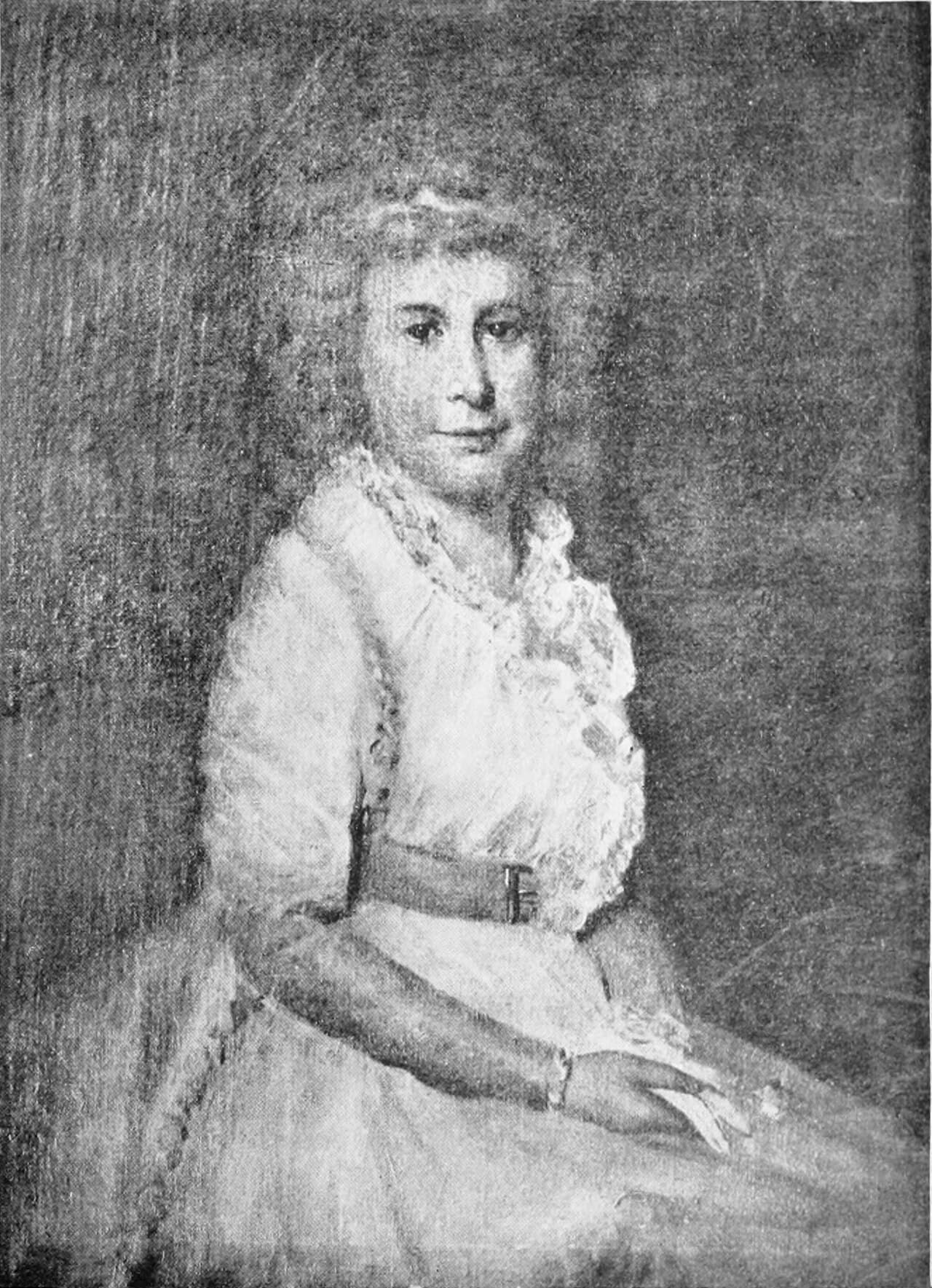
Portrait of Peggy Schuyler.
The Bold Spark of the Schuyler Household
Born in 1758 in Albany, New York, Margaret 'Peggy' Schuyler Van Rensselaer grew up at the center of one of the most influential households of Revolutionary America. The daughter of Philip Schuyler and Catherine Van Rensselaer Schuyler, Peggy spent her youth in a home where military officers, political leaders, and diplomats frequently gathered during the years of the American Revolution.
The Schuyler estate in Albany functioned as a major social and political hub. Figures such as George Washington, Benjamin Franklin, James Madison, and the young Alexander Hamilton passed through the household regularly, participating in the conversations and alliances shaping the revolutionary generation.
Within this lively environment Peggy developed a reputation for wit, humor, and quick social intelligence.
Alexander Hamilton, who married her sister Elizabeth, later described her simply as “a woman of wit and humor,” a phrase that captures the lively personality remembered in family correspondence.
Unlike her sister Angelica Schuyler Church, who became known for intellectual brilliance in European salons, or her sister Elizabeth Schuyler Hamilton, who would later play a central role in preserving Hamilton’s legacy, Peggy appears in the historical record as a spirited and energetic presence within the Schuyler household.
She also demonstrated notable courage during the Revolutionary War. When Loyalist raiders attempted to capture members of the Schuyler family while her parents were away, Peggy quickly gathered her infant sister and alerted the household, helping prevent the attackers from seizing members of the family.
The episode illustrates the kind of quick thinking and boldness that seems to have characterized her temperament.
In 1783 Peggy married Stephen Van Rensselaer III, heir to the vast Van Rensselaer patroonship — one of the largest landed estates in North America. Through this marriage she remained firmly within the elite political society of early New York.
Though she died relatively young in 1801 and left a smaller historical record than her sisters, the glimpses preserved in letters and anecdotes reveal a personality remembered for its energy, humor, and social vitality.
The Psychological Verdict
Margaret “Peggy” Schuyler Van Rensselaer is best understood as ESTP.
The descriptions left by contemporaries emphasize quick wit, bold action, and an energetic social presence rather than philosophical debate or institutional leadership. Her personality appears most clearly in moments of lively conversation and decisive real-time action.
These patterns align well with the Se–Ti cognitive framework.
Where many figures of the revolutionary generation shaped ideology or built political institutions, Peggy seems to have thrived most naturally in the realm of immediate experience and social interaction.
Se — dominant
Peggy’s personality appears rooted in strong Extraverted Sensing (Se).
Accounts of her courage during the raid on the Schuyler household show rapid reaction to unfolding events. Rather than freezing in danger, she responded immediately, warning the household and protecting her younger sibling.
This kind of fast situational awareness and decisive action is characteristic of Se-dominant personalities.
Her lively presence in conversation and social gatherings also reflects the energy and engagement typical of Se.
Ti — auxiliary
Supporting this outward energy is likely auxiliary Introverted Thinking (Ti).
Wit often depends on rapid mental connections and clever phrasing. Hamilton’s description of Peggy as a woman of wit suggests someone capable of quick analytical observations and humorous remarks delivered at precisely the right moment.
Ti frequently provides the sharp internal logic that allows ESTPs to produce quick, clever responses in conversation.
Fe — tertiary
Peggy also appears to have been socially warm and comfortable within the close-knit Schuyler network.
Her playful interactions with relatives and friends suggest the influence of tertiary Extraverted Feeling (Fe), expressed through humor, social charm, and the ability to energize conversations.
Rather than acting as the emotional caretaker of the family, Peggy seems to have brought a lively and engaging presence to social gatherings.
Ni — inferior
Unlike many political figures of her generation, Peggy’s life shows little evidence of long-term ideological vision or institutional ambition.
Her personality instead appears in brief but vivid moments of humor, action, and spontaneity — a pattern consistent with inferior Introverted Intuition (Ni).
She was not attempting to shape the philosophical future of the new republic.
She was fully engaged in the energy of the present moment.
The Playful Sister of the Revolution
Within the famous trio of Schuyler sisters, Peggy occupies a distinctive place.
Angelica dazzled elite society with intellectual brilliance.
Elizabeth became the devoted guardian of Hamilton’s legacy.
Peggy, remembered through smaller but vivid glimpses in family letters and anecdotes, appears as the bold and witty spark of the Schuyler household.
Though history preserved fewer records of her life, the personality that emerges from those fragments remains clear.
Quick-minded.
Playful.
And fearless when the moment demanded it.
Connected Figures
Further Reading
- Founding Mothers: The Women Who Raised Our Nation — Cokie RobertsProfiles the women behind the Founding Fathers, with attention to the Schuyler sisters and their circle.
- Alexander Hamilton — Ron ChernowThe definitive Hamilton biography — includes portraits of the Schuyler household and Peggy's role within it.
- Washington: A Life — Ron ChernowPlaces the Schuyler household within Washington's wartime network, where the Schuyler sisters were prominent.
