 Historical Figure MBTI
#364 · 4-2-26 · The French Revolution
Joseph Fouché
The Butcher of Lyon · Master of Police · The Survivor of Every Regime
1759 — 1820
4 min read
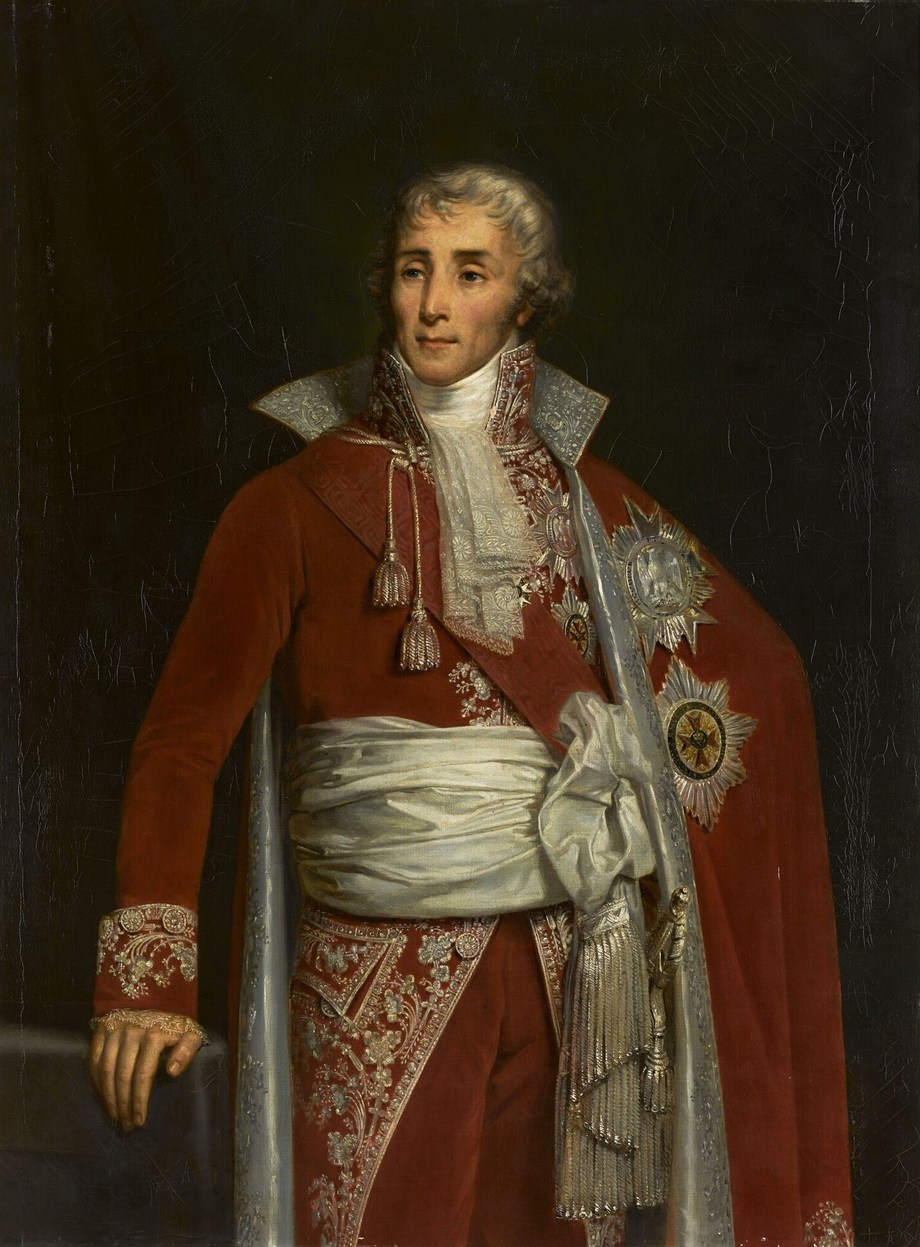
Portrait of Joseph Fouché
The Man Who Betrayed Every Regime and Outlived Them All
Joseph Fouché believed in calculation, information, timing, and his own continuance—and on those four faiths he survived the Revolution, the Terror, the Directory, the Consulate, the Empire, and the Restoration, betraying each in turn at the precise moment betrayal paid best. He had the pale, cold face of a man who had read the ledger of the world and found it merely a problem in arithmetic.
The career has one stain no title could wash out. Sent in 1793 to subdue Lyon, he ordered the condemned bound in rows and cut down with cannon loaded with grapeshot—the mitraillades, so efficient and horrible that the gunners had to finish the wounded with sabres afterward. He reported the slaughter in the flat prose of a man filing an inventory. Then, sensing that Robespierre had marked him for the guillotine, he went quietly from deputy to deputy in the Convention, assembling the terrified into the conspiracy that destroyed the Incorruptible at Thermidor. He survived his own obscurity afterward, clawed back, and became Napoleon's Minister of Police before betraying the Emperor in his turn. He is the ISTP in its coldest form: the detached technician of power, attached to no person and no cause, only to the mechanics of his own survival.
Fouché is the ISTP stripped of every warmth and turned wholly to the machinery of power—dominant Ti dissecting leverage as a cold problem in logic, auxiliary Se reading the room with a marksman's timing, a man who served everyone and belonged to no one.
Power as a Problem in Mechanics
Ti — dominant
Dominant Ti strips a situation of rhetoric and sentiment until only the load-bearing structure remains. In Fouché it turned toward the machinery of power: who held it, where the stress points were, and how little force, precisely applied, would bring the apparatus down. As Minister of Police he built a network of informers, intercepted letters, and cross-indexed reports that gave him a model of France more complete than any its rulers possessed. He knew the secret loyalties of the Faubourg Saint-Germain, the debts of the marshals, the conspiracies before they had quite become conspiracies. The destruction of Robespierre was this Ti at its purest: not a theory of virtue but an accurate map of fear—measurements of each frightened deputy assembled into the exact coalition required to outvote the Incorruptible in a single afternoon. He solved the man the way one solves a lock.
The Marksman's Sense of the Moment
Se — auxiliary
Auxiliary Se gave Fouché his timing, and timing was the whole secret of his survival. The ISTP's pairing of Ti and Se produces the marksman who waits with patience and then strikes once, cleanly. Fouché had an animal sense for when a government was finished, always already moving toward the successor before the political class had noticed anything wrong. He betrayed no one too early, which is the amateur's mistake, and no one too late, which is the fatal one. During the Hundred Days he served Napoleon while already negotiating with the royalists, so that whoever won would find Fouché had been, in some sense, theirs all along. His Se was watchful rather than restless—he sat still, observed, and let the world reveal its openings.
The Long Instinct for Survival
Ni — tertiary
Tertiary Ni gave the immediate Se a horizon. Fouché had no grand vision—no Republic of Virtue, no dream of empire—only a low, persistent sense of the direction of things: this too will pass, and you must be positioned for what comes after. No regime was permanent; even the Empire at its zenith carried the seeds of its fall. His Ti analyzed the present structure; his Se acted on the moment; but Ni kept him from ever committing his fate to either, because some part of him always saw past them to the dissolution beyond. When others saw the eagle ascendant, Fouché saw, dimly but surely, the eagle falling, and made his arrangements accordingly.
The Man Who Belonged to No One
Fe — inferior
Inferior Fe is the ISTP's weakest faculty—the domain of social warmth, loyalty, the bonds that tie a person to a cause beyond his own interest. In Fouché it appears in its most chilling form: near-total absence. The radical Jacobin who organized the de-Christianization campaigns later served the Catholic Bourbons without embarrassment; the man who conspired against Robespierre later conspired against Napoleon—and did. There was no betrayal from his own point of view, because betrayal requires a prior loyalty, and he had none. Napoleon kept him because no one was more capable; Napoleon feared him because no one was less attached. The cold that made Lyon possible, that made Thermidor possible, that carried him intact through six regimes, was all the same cold: a man in whom the faculty that makes us belong to one another had simply gone dark.
Why ISTP Over ESTP
Why not ESTP?
The ESTP case has real force: Fouché shared the Se opportunism, the flawless reading of the immediate situation, the gambler's timing. But the ESTP leads with Se—outward, present-tense, working the room in person, thriving on visible action. Fouché did the opposite: he worked in shadow and silence, behind the intercepted letter and the anonymous report. His defining faculty was not the bold immediate move but the cold prior analysis that made the move inevitable. The Se in him served a dominant Ti, not the reverse.
The ESTP is an actor—extraverted, kinetic, reading the present to seize it; the ISTP is an analyst—introverted, still, reading the present to understand it. Fouché did not want the stage an Emperor wanted; he wanted the room behind the room, the file no one else had read, the lever no one else had found. His Se was real, but it was the servant of his Ti.
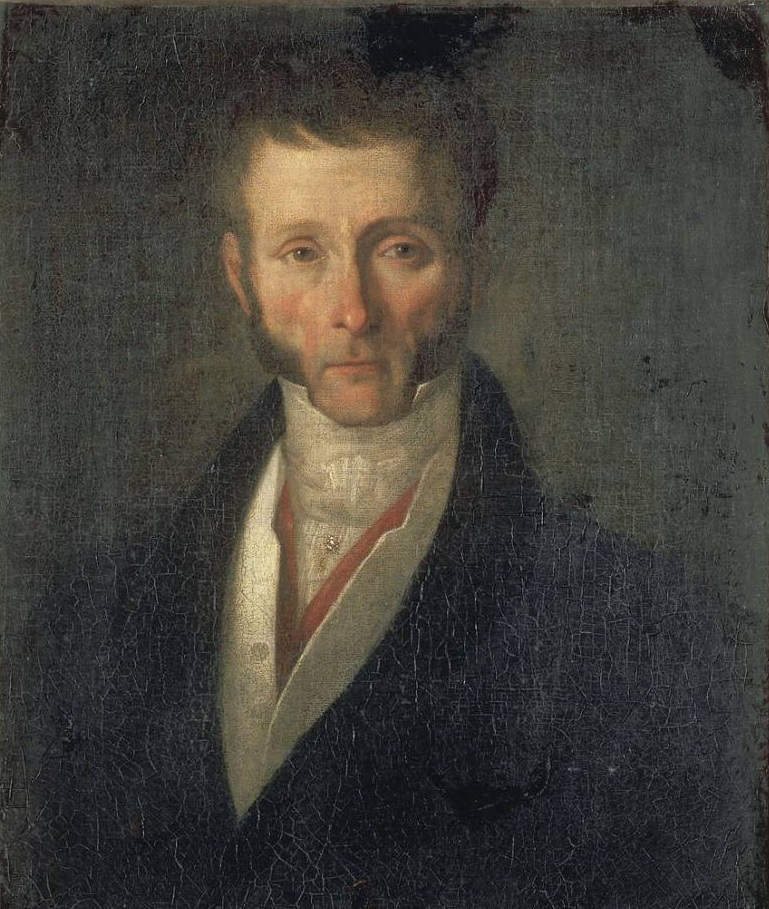
Connected Figures
Further Reading
- Fouché: The Man Napoleon Feared — Stefan Zweig (1929)The most gripping portrait of Fouché ever written — Zweig's psychological biography traces his career from Lyon to exile with unsparing clarity.
- The French Revolution: A History — Thomas Carlyle (1837)The foundational narrative of the Revolution; Fouché appears throughout as the cold survivor among idealists and victims.
- Napoleon: A Life — Andrew Roberts (2014)Indispensable for understanding the Fouché–Napoleon relationship and the workings of the imperial police state.
- Citizens: A Chronicle of the French Revolution — Simon Schama (1989)A rich, opinionated history of the Revolution that renders the atmosphere in which Fouché operated.
