 Historical Figure MBTI
#349 · 4-1-26 · The French Revolution
Louis XVI
King of France · The Reluctant Monarch · The Locksmith Who Lost His Head
1754 — 1793
9 min read
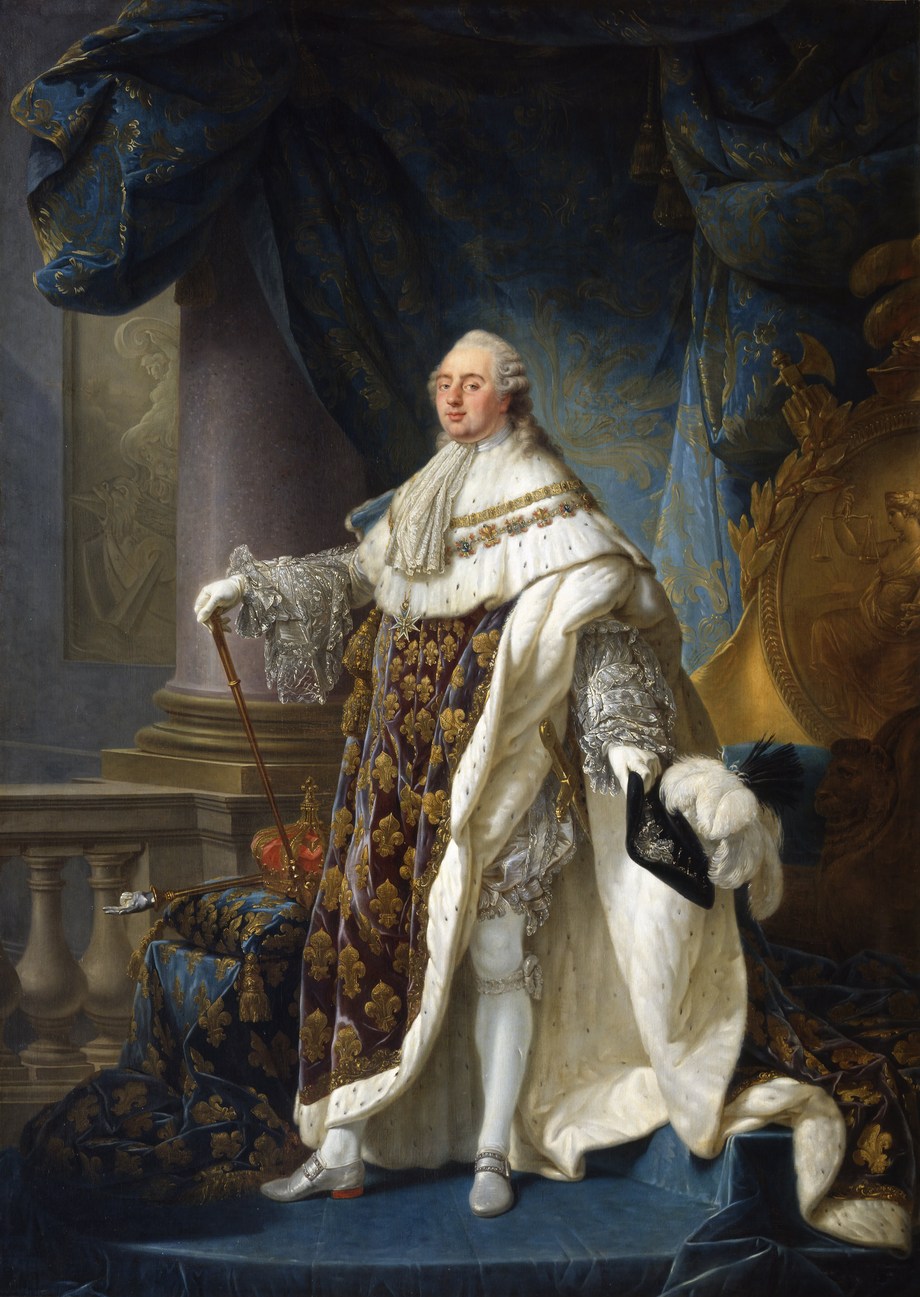
Portrait of Louis XVI
The Locksmith at His Workbench
On the upper floor of Versailles, away from the antechambers and the throngs of courtiers, the King of France kept a forge. There, at a workbench cluttered with files and half-finished locks, Louis XVI was at his happiest. He had been taught the trade by a master locksmith named Gamain, and he pursued it with a patience and manual precision that the rest of his life conspicuously lacked. He filed and fitted, tested springs and tumblers, repaired clocks, studied mechanisms with the absorbed contentment of a man for whom a difficult lock was a more legible problem than a difficult kingdom.
Louis XVI (1754–1793) came to the throne in 1774, at nineteen—shy, conscientious, pious, and almost painfully sincere. He genuinely wished his subjects well. He backed the reforming ministers Turgot and later Necker, who tried to drag the monarchy toward solvency; he poured French treasure into the American Revolution, helping win a war for liberty even as his own house caught fire. What he could not do was rule. He vacillated, deferred, and withdrew. When a minister's reforms provoked the privileged orders, Louis backed away from the minister rather than face the conflict. He let events gather, crest, and break over him—choosing again and again the path of least immediate friction, until the friction had compounded into catastrophe.
The mind behind the forge and the failure was that of the ISFJ: dominant introverted sensing that loved routine, tradition, and the conscientious mastery of detail; auxiliary extraverted feeling that wanted, above all, to be good and to avoid giving offense; tertiary introverted thinking that found its one free expression in the mechanical logic of locks and clocks; and inferior extraverted intuition that left him fatally unable to grasp the revolutionary forces massing around his throne. He was the dutiful, gentle ISFJ on a seat that demanded a will he simply did not possess.
Louis XVI was the ISFJ on a throne—a dominant Si that loved routine, craft, and the settled order of tradition, governed by an auxiliary Fe that wished only to please and could not bring itself to command.
The Man Who Loved the Settled Order
Si — dominant
Dominant introverted sensing lives in the known and the concrete. It trusts what has been tested by time, takes comfort in routine, and prefers the tangible thing in hand to the abstract possibility in the air. Almost everything that made Louis XVI a poor king and a contented man flowed from this. He loved the daily round of Versailles not for its political theater—which bored and oppressed his wife—but for its predictability: the hunt, the meals, the prayers, the fixed appointments of a fixed existence. He kept a diary recording, with a steward's meticulousness, the day's weather and the number of animals killed in the chase.
The locksmithing was Si in its purest form. A lock is a small, closed, solvable world of springs and tumblers, mastered by patient practice rather than by vision or improvisation. Louis filed and fitted with real skill, repaired clocks, pored over maps, and took a connoisseur's interest in the voyages of exploration he commissioned. These were the pursuits of a temperament that wanted the world to hold still long enough to be learned by heart.
But Si on a throne is a temperament at war with its office, because monarchy in 1789 had ceased to be a settled order and become a problem demanding invention. Louis revered the inherited frame of the French monarchy—its sacral character, its precedents, the coronation oath sworn at Reims—and he could not conceive of himself as anything but its conscientious custodian. When the Revolution demanded that he reimagine the very nature of his power, the demand fell on a mind built to conserve, not to create. Si looks to the past for guidance, and the past had no precedent for what was happening to him.
The King Who Wished to Please
Fe — auxiliary
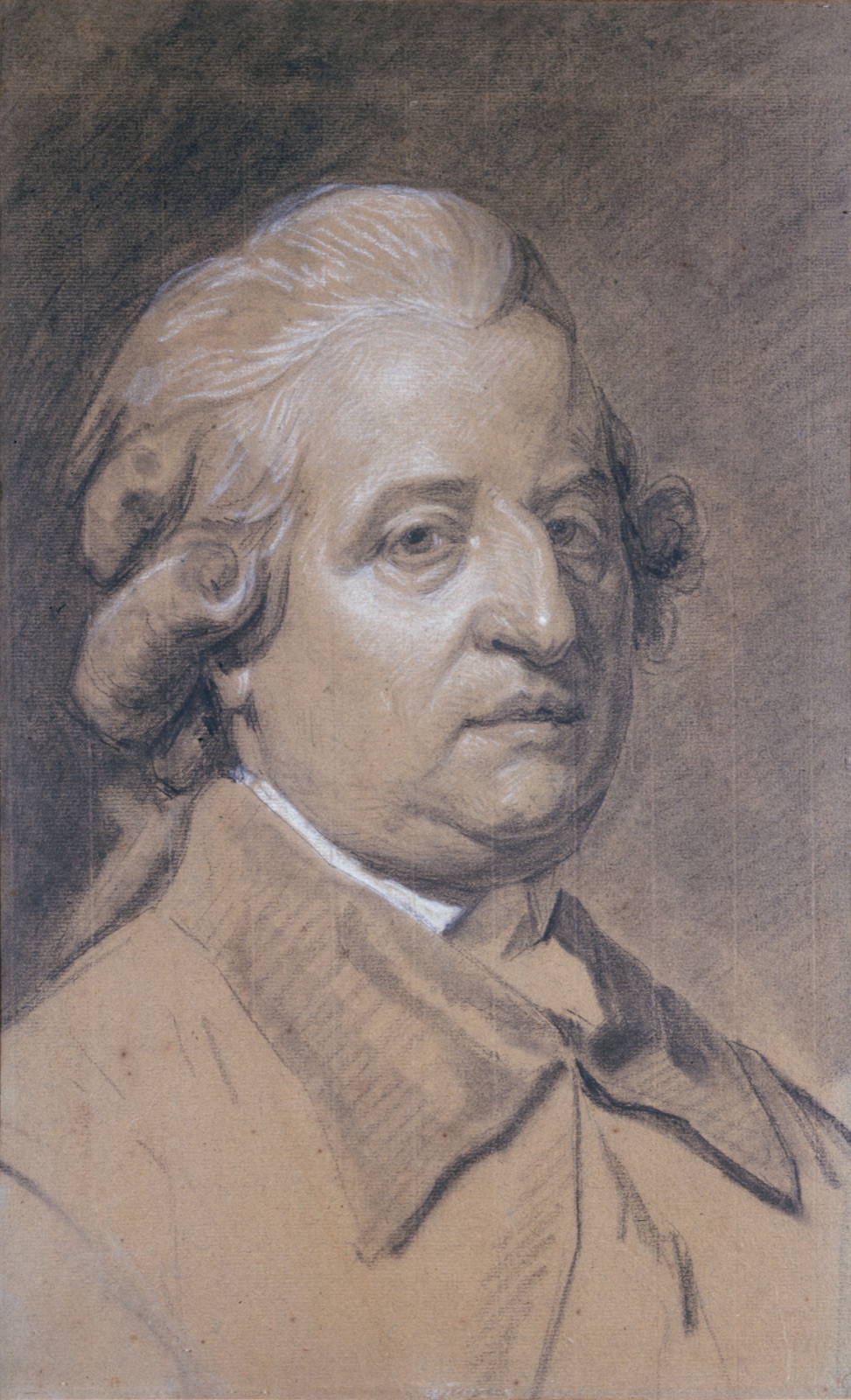
If Si gave Louis his love of the established world, auxiliary extraverted feeling gave him his goodness—and his weakness. Fe orients toward harmony and the approval of others, toward the avoidance of conflict and the smoothing of friction. In the king it produced a man of real, unaffected kindness. He abolished judicial torture, eased the lot of Protestants and Jews, and was so reluctant to cause pain that he could scarcely bring himself to dismiss a servant. His piety was genuine, his marital fidelity unusual for a Bourbon, his desire to be a good king the most consistent thing about him. He wanted, with his whole heart, to be loved.
But auxiliary Fe in a temperament without a developed will becomes a fatal instrument of appeasement. The same horror of conflict that made Louis humane made him incapable of command. He could not bear to face down the parlements, the privileged orders, the court factions, his own ministers, or his wife. When Turgot's reforms enraged the vested interests, Louis sacrificed Turgot rather than the reforms' enemies; when Necker became controversial, he let him go, recalled him, let him go again—always yielding to whichever pressure was most immediately painful to resist. A king who governs by the wish to please will, in the end, please no one.
The tragedy is that these were the failings of a kind man. A crueler king—an ESTJ or an INTJ with the stomach to wound—might have crushed the privileged resistance and forced the reforms through. Louis could not bring himself to be hated, and so he was destroyed by people who learned they had nothing to fear from his displeasure.
The Logic of Locks and Clocks
Ti — tertiary
Tertiary introverted thinking in an ISFJ is real but narrow. It works in confined, concrete domains, where it can take apart a mechanism and understand exactly how its parts cohere. In Louis this faculty found its outlet in the workshop: a precise, patient, mechanical mind that could follow the internal logic of a device to the end. He grasped how springs answered to tension and how a wheel-train carried motion, and he derived a satisfaction from such problems that the rest of his duties never gave him.
The poignancy of this Ti is that it could analyze any system except the one he had been born to govern. A lock yields to logic; a kingdom in revolution does not. He could see precisely why a bolt stuck. He could not see why the Estates-General, summoned in 1789 to fix the finances, would instead declare itself a National Assembly and begin writing a constitution. The problem had no parts he could file true.
There is a cruel symbolism, too, in the one famous betrayal of his reign. It was Gamain, the master locksmith who had taught the king his trade, who later revealed to the revolutionary authorities the existence of the armoire de fer—the iron cabinet hidden in a wall at the Tuileries in which Louis had concealed his secret correspondence. The documents inside helped seal his fate at trial. His tertiary Ti had built him a hiding place; its inability to read men as well as it read metal left him exposed.
The Storm He Could Not Imagine
Ne — inferior
Inferior extraverted intuition is the ISFJ's great blind spot: the failure to imagine the unprecedented, to read the trend beneath the surface, to grasp that the world might soon be nothing like the world that is. The Si-dominant mind assumes that tomorrow will resemble today because yesterday resembled the day before. No figure in this archive paid a higher price for that blindness than Louis XVI, because the storm gathering around him was the most radical political rupture in modern European history, and he could not see it forming.
On the day the Bastille fell, the fourteenth of July 1789, the king is said to have written a single word in his hunting diary: Rien—“Nothing.” The line was a record of the day's game, not a verdict on the Revolution, but it has survived as a near-perfect emblem of inferior Ne. He genuinely could not feel the magnitude of what was happening. He registered each event only as it arrived, concrete and discrete, and consistently mistook the crest of the wave for a passing disturbance the old order would surely absorb.
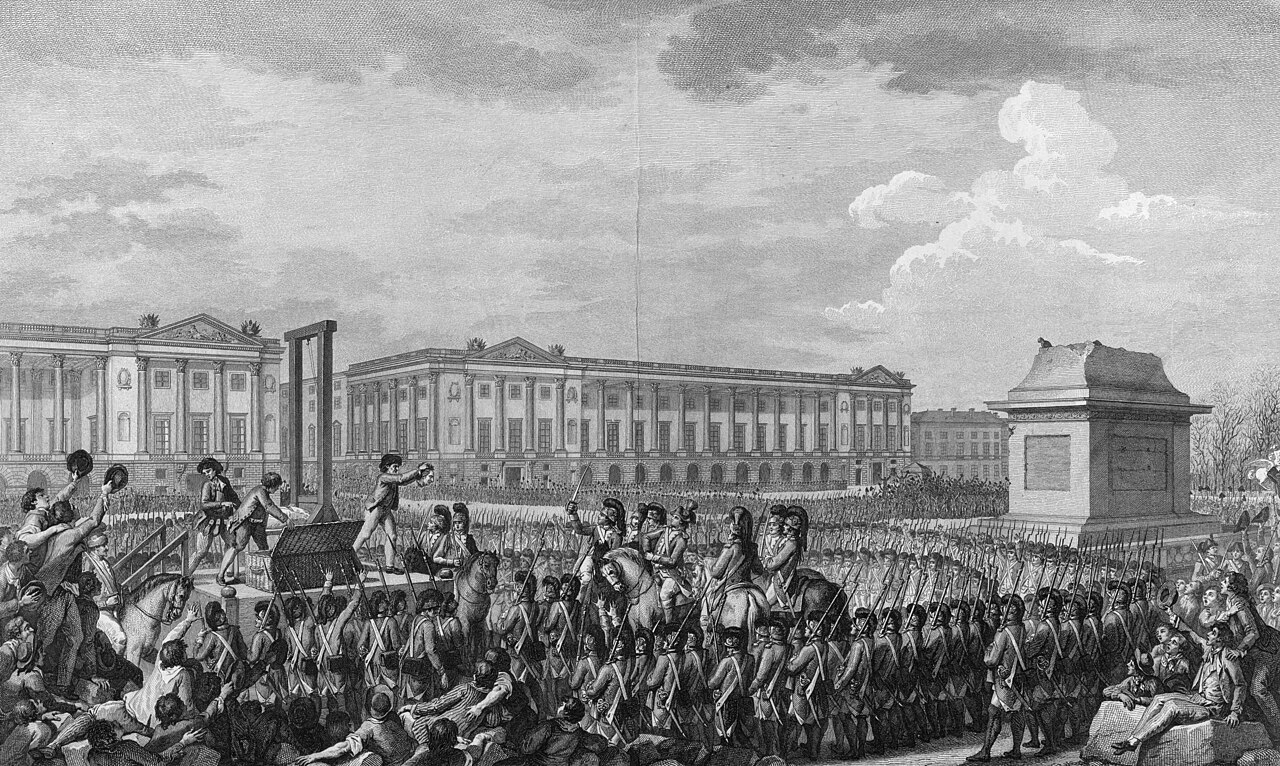
The flight to Varennes in 1791 was inferior Ne's one desperate eruption, and it failed as such eruptions tend to. Persuaded that the situation was untenable, Louis agreed to a secret escape—a bold, imaginative gamble entirely foreign to his nature—and the whole scheme ran aground on his temperament's want of feel for contingency. The royal party moved too slowly, kept to too grand a coach, and was recognized and stopped at Varennes, short of the frontier. Dragged back to Paris as a prisoner, tried for treason, and condemned, he met his death at the scaffold in January 1793 with a simple dignity and Christian composure his reign had nowhere shown—the inward, conscientious soul finding, at the last, the one role for which his temperament had always fitted him: to suffer well what he could not master.
Why ISFJ Over ESFJ
Why not ESFJ?
The ESFJ shares the Si–Fe pairing and the same conscientious, tradition-loving warmth, which is why it is the natural runner-up. But the ESFJ leads with Fe—it is outward-facing, socially commanding, energized by managing the people around it, and quite capable of taking charge of a room. Louis was the opposite: retiring, awkward in company, happiest alone at his workbench, and physically uncomfortable under the public gaze his office made inescapable. His goodness was private and inward, not the warm public engine of an ESFJ. He withdrew from people rather than presiding over them.
The distinction turns on which function leads. An ESFJ king with the same values—the same piety, the same desire to be a good monarch—would have brought to the throne an extraverted feeling that organizes and commands, the instinct of the host who rallies a faction and drives people toward a harmony he himself directs. Louis had no such drive. His was the inward ISFJ goodness that wants only to do its conscientious duty and give no offense, and that flinches from the confrontation and sheer outward force that ruling a fracturing kingdom required. He wished to please, and he could not command.
Connected Figures
Further Reading
- Louis XVI — John HardmanThe authoritative scholarly biography — meticulous on Louis's character, his ministers, and the constitutional crises that undid him.
- Citizens: A Chronicle of the French Revolution — Simon SchamaSweeping narrative history that captures the court, the collapse of the fiscal monarchy, and the king's slow drift toward catastrophe.
- The French Revolution: A History — Thomas CarlyleVictorian prose at full power — the execution scene remains among the most vivid passages in historical writing.
- Marie Antoinette: The Journey — Antonia FraserIndispensable for the royal marriage and the court; the queen's temperament throws Louis's into sharp relief.
- The Day the Revolution Began: Reconsidering the French Revolution's Significance — William DoylePlaces Louis's reign in the long structural history of Bourbon absolutism and its fiscal limits.
