 Historical Figure MBTI
#390 · 4-4-26 · Elizabethan England
Robert Devereux
Earl of Essex · Elizabeth's Last Favorite · The Doomed Golden Boy
1565 — 1601
6 min read
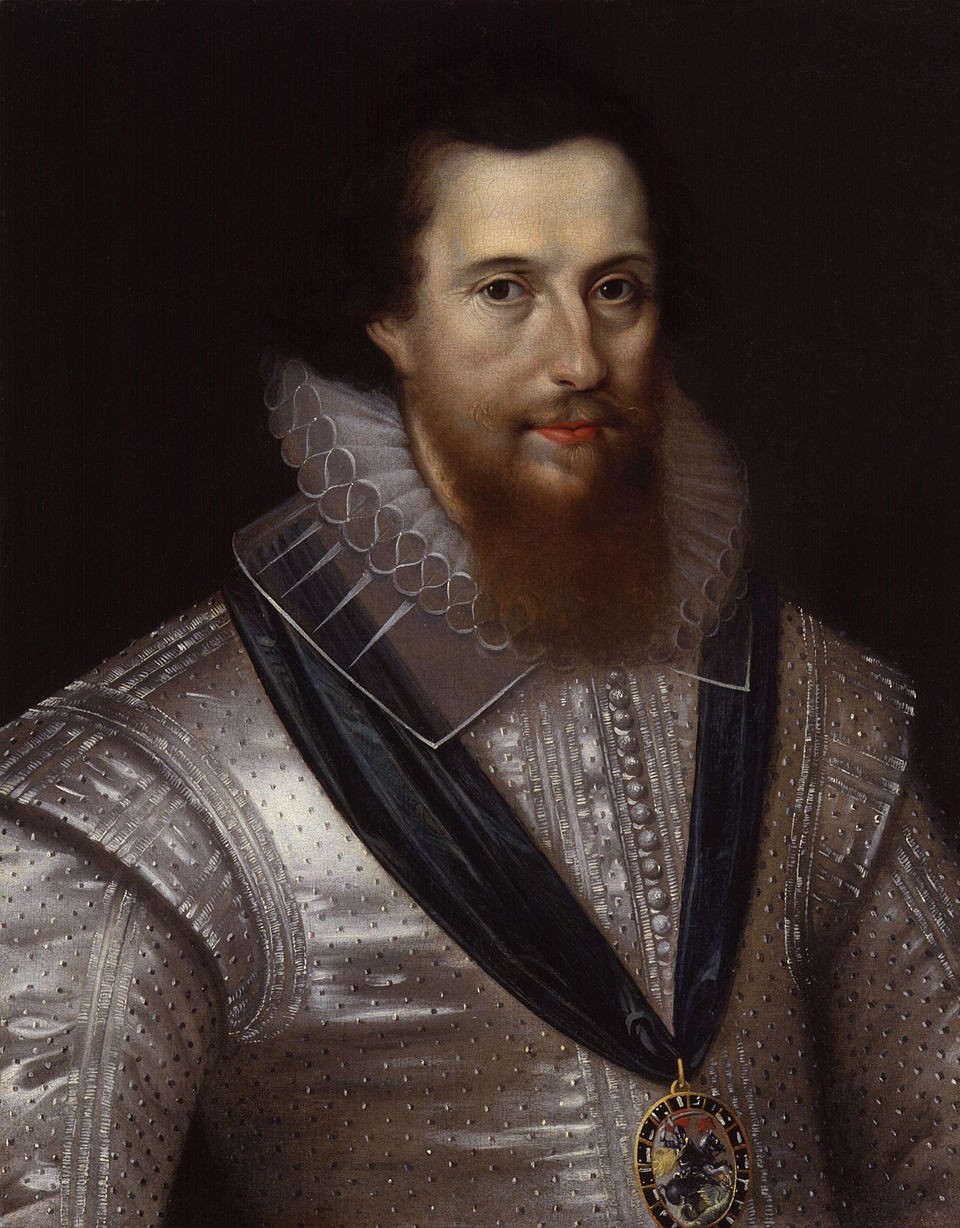
Portrait of Robert Devereux
The Golden Boy Who Flew Too High
He arrived at court like weather. Tall, auburn-haired, beautiful, and brave to the point of recklessness, Robert Devereux, 2nd Earl of Essex, swept into the presence of an aging queen in the late 1580s and made himself the most dazzling man in England. He was the stepson of Robert Dudley, the great love of her life. Where Dudley had wooed the queen with charm and infinite patience, Essex had charm and no patience at all. He could ride, fence, dance, and write verse. What he could not do was think one move ahead of the gesture he was about to make.
The end came in Ireland. Granted a vast army against the rebel Earl of Tyrone, he frittered the campaign away, made a humiliating private truce, then burst mud-spattered into the queen's bedchamber before she was dressed, wigged, or painted. Ruined, he staged in February 1601 a farcical rebellion through London, expecting the city to rise for its hero. It did not. He was beheaded for treason inside the Tower. He is a textbook ESFP: dominant Se in the dashing physical charisma, auxiliary Fi in the prickly honor that governed his every move, tertiary Te in the soldier's raw ambition, and a near-absent inferior Ni that never saw the headsman coming.
Essex was the ESFP golden boy at full blaze—a man who lived entirely in the dazzling Se present, the charge across the field and the burst into the chamber, governed by a fierce private sense of honor and blind, utterly blind, to the future hurtling toward him.
The Dazzle and the Grand Gesture
Se — dominant
Dominant Se is the function of the magnificent entrance and the bold stroke. Essex was Se made flesh: the height, the auburn beauty, the physical courage that made him charge first and ask questions never. He did not argue his way into favor; he shone his way into it. At Cádiz in 1596 he leapt from the boat into the surf and threw his hat into the sea for joy—always the gesture, the grand visible deed burned into the eyes of every man watching. But Se untempered is impulse without a brake. In Ireland he abandoned the ordered campaign, wasted months on whim, then simply rode for England against an explicit command to stay. Every step of his fall was an Se reflex.
The Prickly Honor and the Volatile Heart
Fi — auxiliary
Auxiliary Fi gave Essex his furies—an ungovernable sense of his own worth, fiercely held and easily wounded. Every withheld favor registered as personal affront. The infamous council-chamber moment—when he turned his back on the queen, took her blow, and grasped his sword—was pure Fi: an injury to his honor he could not swallow even at the cost of his neck. The London rising of 1601 was not a calculated bid for power; Essex had no real plan, only aggrieved followers and a desperate sense of grievance. He was undone less by what he wanted than by what he could not forgive.
The Soldier's Ambition
Te — tertiary
Tertiary Te fueled Essex's enormous ambition but was too shallow to discipline it. He wanted to lead armies, hold great offices, command and be obeyed—and he could organize a fleet and inspire the men in it. But tertiary Te is a sprinter, not a marathoner. Ireland demanded the unglamorous grinding work of attrition that Essex simply did not have. When the campaign refused to deliver the swift victory his Se craved, his junior thinking collapsed into the humiliating private truce and the bolt for home. His ambition was a blade with no shaft behind it.
The Future He Never Saw Coming
Ni — inferior
Inferior Ni is the ESFP's great blind spot—the missing capacity to see where a course of action must end. Elizabeth possessed it in dominant strength; Essex possessed it almost not at all. The rebellion of 1601 is the purest case: he marched into the City expecting London to rise, with no grasp that people who cheered his Cádiz triumph would not risk their necks for a ruined earl. Essex read none of the signs accumulating around him. He plunged forward on Se impulse and Fi grievance, and the inferior Ni that should have whispered this ends at the block stayed silent until the morning it came true.
Why ESFP Over ISFP
Why not ISFP?
Essex shared the ISFP's Se and Fi but was their opposite in orientation. The ISFP is inward, private, content to live by its values out of the spotlight; Essex was outward, theatrical, glory-hungry, addicted to the crowd and the grand visible gesture. An ISFP would never have thrown his hat into the sea at Cádiz or staged a rebellion expecting the city to roar for him. The need to perform before an audience is dominant extraverted Se, not the inward Se of the ISFP. He flaunted; he did not withdraw.
The decisive evidence is the manner of his ruin. Every defining act—the dashing raid, the contemptuous turn before the queen, the burst into her bedchamber, the doomed march through the City—was a public performance aimed at a watching crowd. His end was written in the ESFP's exact weakness: dominant Se impulsiveness without a brake, and a catastrophic inferior Ni that never once saw the consequences coming.
Connected Figures
Further Reading
- The Twilight Lords: Elizabeth I and Her Rebels — Richard BerlethTraces Essex's Irish campaign and the Tudor court factions that brought him down.
- Essex: The Virtuous Duke — Robert LaceyA focused biography of Essex placing him in the context of Elizabethan court culture and military ambition.
- Elizabeth: The Struggle for the Throne — David StarkeyStarkey's portrait of Elizabeth situates Essex's rise within the longer arc of the queen's use and destruction of her favorites.
- The Later Elizabethan Age — G. B. HarrisonA primary-source-rich study of the Essex circle, the rebellion of 1601, and the culture of late Elizabethan patronage.
