 Historical Figure MBTI
The Warring States
c. 475 – 221 BCE
Seven kingdoms locked in existential war, and the rival schools of thought that argued over how to end it.
As the old dukedoms consolidated into seven hardened kingdoms, the philosophical free-for-all of the previous age turned openly political. Mozi preached universal love and defensive war against a preacher's-son logic; Mencius carried Confucius's banner into royal courts, insisting rulers governed only by the people's consent, while Zhuangzi mocked the whole enterprise with parables that dissolved certainty itself. Xunzi answered them all with a colder verdict: human nature was selfish, and only ritual and law could tame it.
That colder verdict found its truest believers in Shang Yang, whose reforms under Duke Xiao of Qin built the ruthless, meritocratic machine that would eventually swallow every rival kingdom whole.
8 figures · sorted by birth year
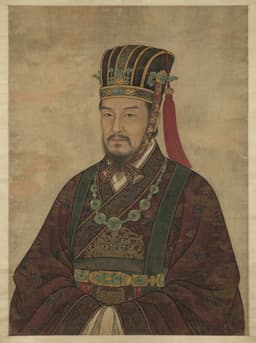
King Xuan of Qi
obscureESFJ
The king who gathered a hundred philosophers at his court, including Mencius.
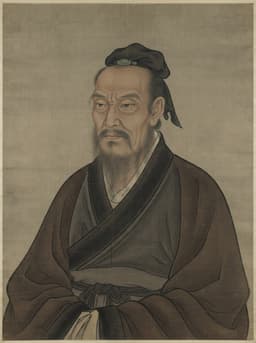
Xunzi
notableINTJ
The Confucian who argued human nature was bad and taught the men who built Legalism.
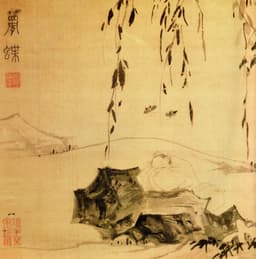
Zhuangzi
renownENTP
The butterfly-dreaming skeptic who mocked every certainty, including his own.
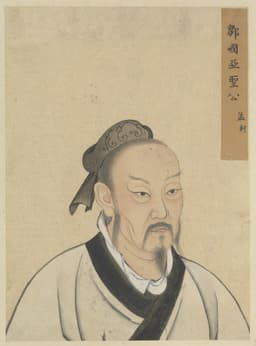
Mencius
renownENFJ
Confucianism's second sage, who argued human nature is good and tyrants can be overthrown.
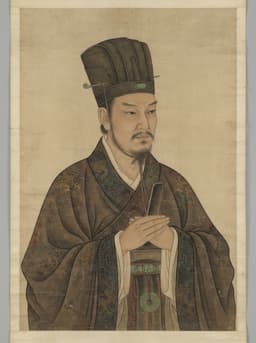
Duke Xiao of Qin
notableENTJ
The ruler who bet everything on a reformer and remade Qin into a war machine.
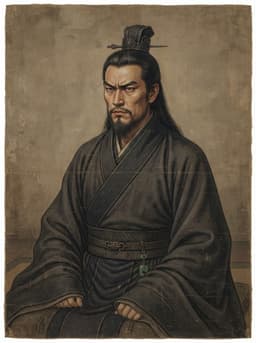
Shang Yang
notableISTJ
The Legalist reformer whose ruthless laws built Qin's rise — and finally consumed him.
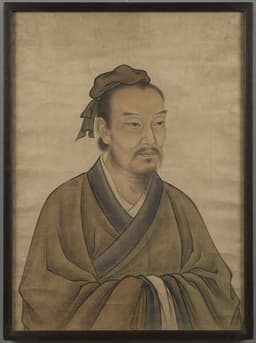
Yang Zhu
obscureISTP
The philosopher who wouldn't pluck a single hair to save the world.
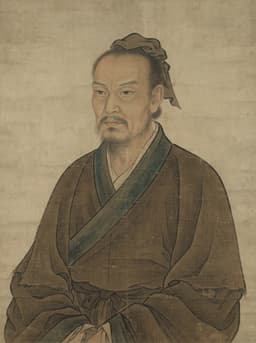
Mozi
notableENFJ
The preacher of universal love who built a disciplined militia to defend it.

Sign up for monthly insights
Monthly insights into history's most influential figures — examined through psychology, context, and cognitive pattern. Less stereotype, more structure. History, but with a mind map.
Powered by Buttondown