 Historical Figure MBTI
#656 · 5-12-26 · The Julio-Claudians
Britannicus
Claudius's Son · Poisoned at a Dinner Table
41 — 55 CE
3 min read
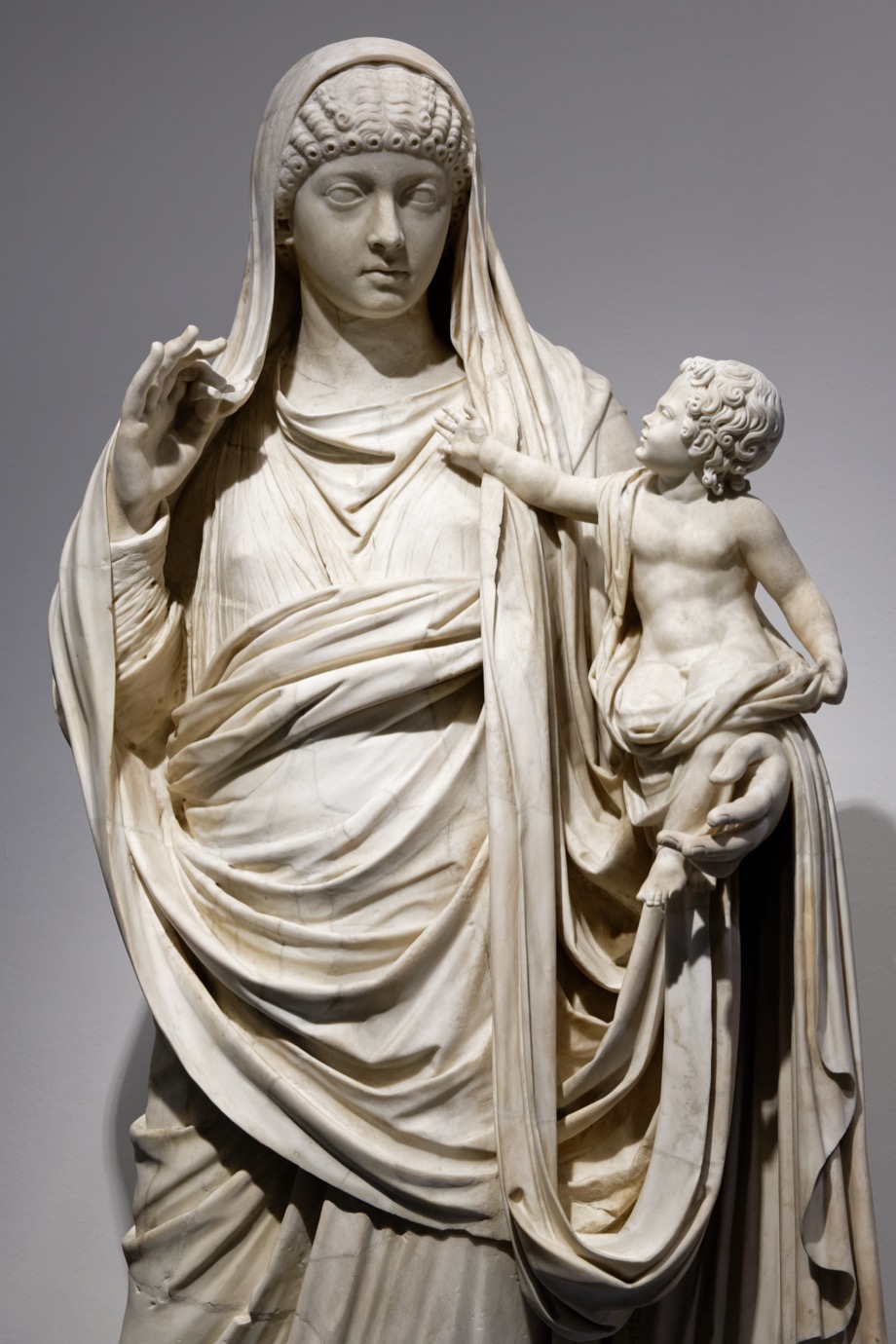
Portrait of Britannicus
A Name Made for an Emperor Who Never Was
He was born with a conqueror's name and none of a conqueror's luck. In 41 CE, Claudius named his newborn son Britannicus in anticipation of a British campaign he had not yet won — a title meant to advertise the father's glory, hung on a child too young to have earned or wanted it. For seven years Britannicus was simply the heir: the emperor's only legitimate son, the boy the Palatine expected to inherit. Then his mother, Messalina, was executed for treason in 48 CE, and Claudius married his niece, Agrippina the Younger, who brought with her a son of her own — the future Nero, three years older, ambitious on his mother's behalf if not yet his own.
What followed was less a childhood than a slow demotion. Agrippina maneuvered Nero into an engagement with Britannicus's sister, Claudia Octavia, then into formal adoption, then into a coming-of-age ceremony staged years ahead of the boy's actual majority — each step widening the gap between the two sons in the eyes of the Senate and the Praetorian Guard. Britannicus, meanwhile, was kept close but powerless, a spare heir whose only function was to remind everyone that a legitimate Claudian still existed. When Claudius died in 54 CE, likely of poison at Agrippina's hand, the succession she had spent six years engineering fell into place without a contest. Britannicus was thirteen.
A Life Cut Short
He did not live long enough to become anyone the record can assess. What survives of Britannicus after Claudius's death is a boy under watch: barred from public appearances, denied the tutors and allies who might have built him a faction, quietly stripped of the status his birth had promised him. Tacitus preserves a handful of moments — a private complaint, a song sung at a banquet with a lyric pointed enough at his own disinheritance to worry his stepbrother — but these are glimpses filtered through a hostile court and a historian writing decades later, not evidence of a settled temperament. In February 55 CE, days before his fourteenth birthday, he collapsed at a family dinner after drinking from a cup Nero's poisoner Locusta had prepared. The household was told it was epilepsy. Few believed it.
There is no reliable way to type a boy who died at thirteen, watched constantly and permitted almost no independent action in the year that might have revealed one. This entry does not attempt it. Britannicus belongs in this archive not as a psychological subject but as a hinge in someone else's story — the last rival with Claudian blood, whose death cleared the final obstacle between Nero and an unchallenged throne.
Connected Figures
Further Reading
- The Annals of Imperial Rome — TacitusThe primary account of Britannicus's poisoning and the court that watched it happen.
- The Twelve Caesars — SuetoniusGossip-inflected but vivid detail on Nero's household and motives.
- Claudius — Barbara LevickThe fullest modern reconstruction of the succession maneuvering that displaced him.
