 Historical Figure MBTI
#848 · 6-18-26 · The American Civil War
John Pope
Union General · Second Bull Run Commander
1822 — 1892
3 min read
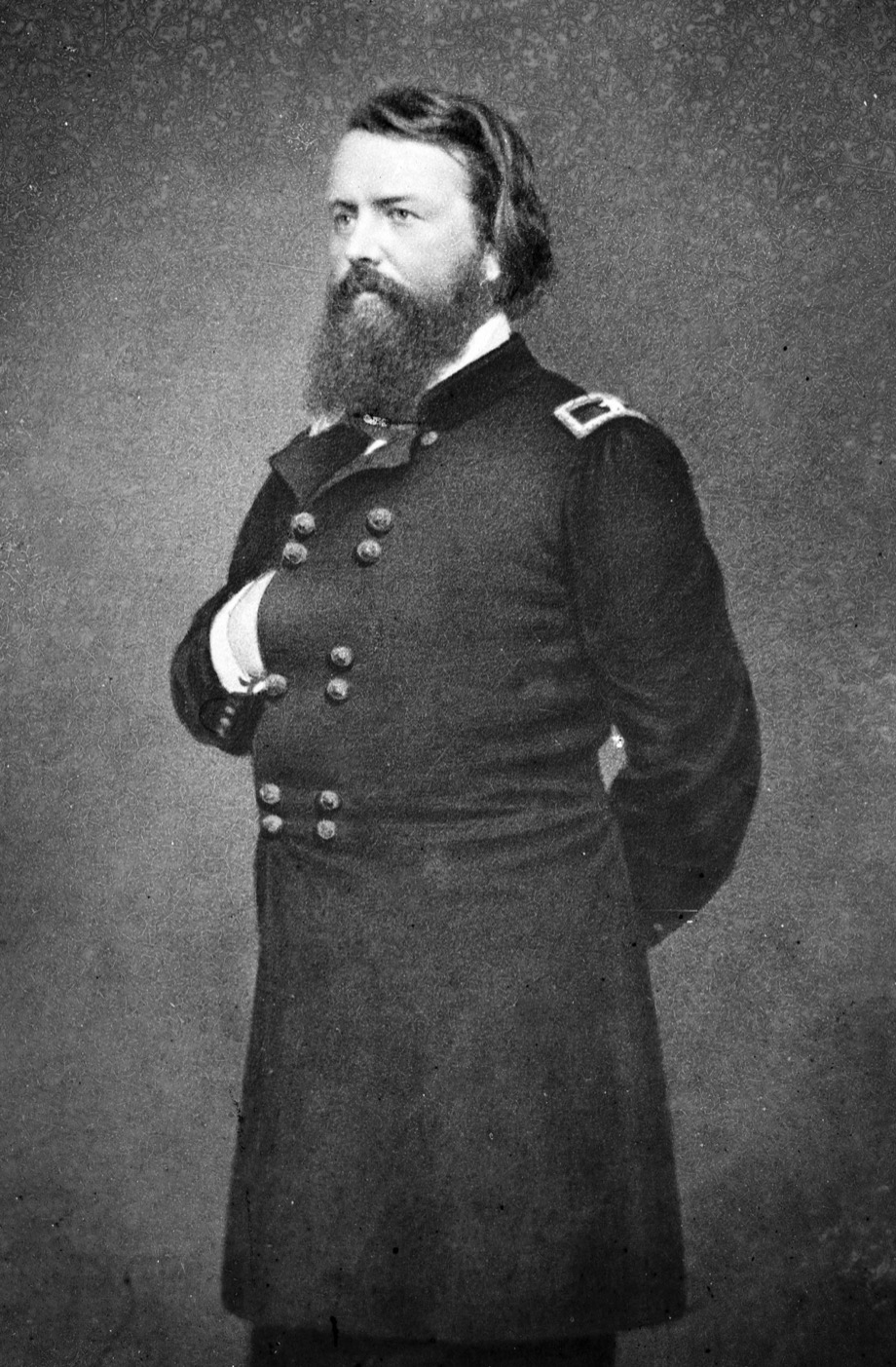
Photograph of John Pope, c. 1860s
The Backs of Our Enemies
John Pope arrived in Virginia in the summer of 1862 already certain of the lesson he had to teach. He had won modest successes in the western theater — Island Number Ten, a scattering of captured guns and prisoners — and Lincoln, frustrated with McClellan's caution, brought him east to command the newly assembled Army of Virginia. Pope announced himself with a general order that has outlived every battle he fought: he had come, he told his new soldiers, from a West where they had “always seen the backs of our enemies,” and he suggested his new command adopt habits of “success” rather than “lines of retreat.” Veterans of the Peninsula campaign, who had bled for ground and given it up on orders they didn't choose, heard an insult where Pope meant a pep talk.
It set the tone for everything that followed. Pope matched the bluster with policy: Union armies would live off Confederate land, and civilians in occupied territory would be held financially liable for guerrilla attacks on his men — a harder war than most of his peers were yet willing to wage, years before Sherman made it doctrine. It was the same instinct wearing two hats: assert control, publish the rule, expect compliance. What Pope did not do, in orders or in the field, was adjust once the rule met resistance it hadn't anticipated.
Pope commanded the way a ESTJ manages a department — by directive, by precedent, by the assumption that authority declared is authority obeyed.
That assumption collided with Lee and Jackson at Second Bull Run. Jackson tucked his corps into an unfinished railroad cut and waited; Longstreet massed unseen on Pope's left, screened by woods Pope's cavalry never properly scouted. Pope spent the battle convinced he had Jackson cornered and isolated, reading the field through the lens of what should have been true — Jackson retreating, Lee still far off — rather than what patient Confederate maneuvering had already made true. It is the signature failure of a rigid, declarative command style: having announced the terms of the campaign, Pope kept fighting the campaign he had announced, long after the ground under it had shifted. When Longstreet's twenty-eight thousand men struck on the second day, Pope's army broke toward Washington, and Pope's career east of the Alleghenies broke with it. He was shipped off to the Department of the Northwest to manage the aftermath of the Dakota War — administrative exile, dressed as reassignment — and never held field command again.
Connected Figures
Further Reading
- Return to Bull Run: The Campaign and Battle of Second Manassas — John J. HennessyThe definitive account of the campaign that ended Pope's field command.
- Abandoned by Lincoln: A Military Biography of General John Pope — Wallace J. Schutz & Walter N. TrenerryA sympathetic biography arguing Pope was scapegoated for others' failures.
- Battle Cry of Freedom: The Civil War Era — James M. McPhersonPlaces Pope's brief eastern command in the war's broader strategic arc.
