 Historical Figure MBTI
The Wars of Scottish Independence
~1286 – 1357
Scotland's long fight for freedom — Wallace and Bruce against the Edwards of England, from the disputed succession to the field of Bannockburn.
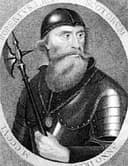
When Scotland's royal line failed in 1290, Edward I of England seized the chance to make himself overlord — and lit a thirty-year war for Scottish freedom. He installed a puppet king, John Balliol, then humiliated him into the "Empty Coat"; and when the Scots resisted, a knight of no great rank, William Wallace, rose with Andrew Moray to shatter an English army at Stirling Bridge — before Edward crushed him and, in time, butchered him in London.
Out of the wreckage rose Robert the Bruce, who murdered his rival John Comyn before an altar, seized the crown — placed on his head by the defiant Isabella MacDuff, who was caged for it — and, after years as a hunted fugitive with his queen Elizabeth de Burgh in English chains, came back to win everything at Bannockburn in 1314. With his rash brother Edward and his terrifying lieutenant the Black Douglas beside him, he made Scotland free.
9 figures · sorted by birth year
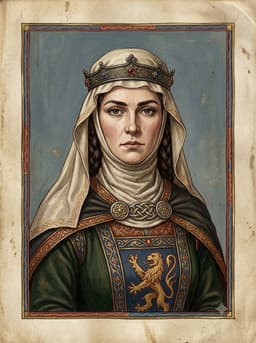
Isabella MacDuff
notableISFP
The countess who defied her Comyn kin to crown Bruce — and was caged on Berwick's walls for it: the defiant ISFP.
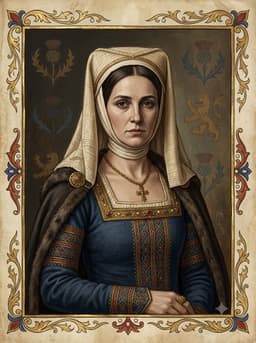
Elizabeth de Burgh
notableISFJ
Bruce's queen, who endured eight years of English captivity for her crown — the steadfast, enduring ISFJ.
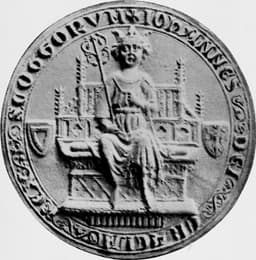
John Balliol
notableISFJ
The puppet king Edward I stripped of his royal arms — 'Toom Tabard,' the dutiful ISFJ humiliated into an empty coat.
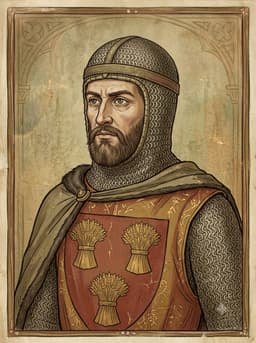
John Comyn
notableESTJ
Bruce's great rival, stabbed to death before a church altar — the ESTJ magnate who stood for the old order and fell.
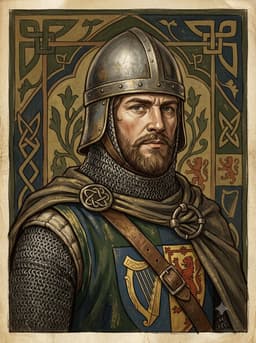
Edward Bruce
notableESTP
Robert's reckless brother who made himself High King of Ireland and died for it — the ESTP who grabbed at a crown too far.
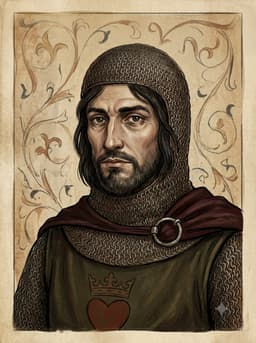
James Douglas
notableESTP
Bruce's feared lieutenant who terrorized the border and died flinging the king's heart at the Moors — the ESTP raider.
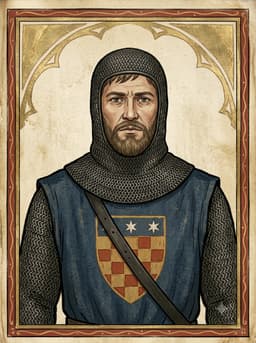
Andrew Moray
notableISTJ
Wallace's co-commander who won Stirling Bridge and died of his wounds — the steady ISTJ, the great what-if of the war.
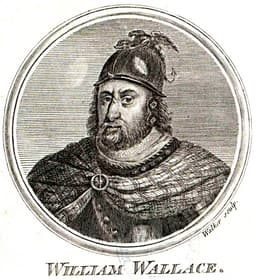
William Wallace
renownISFP
The knight who won Stirling Bridge and died defying England for Scotland's freedom — the ISFP martyr of conviction.
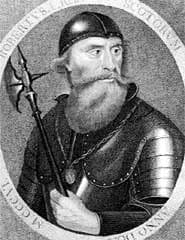
Robert the Bruce
iconicENTJ
The murderer-fugitive who became king and won Scotland's freedom at Bannockburn — the ENTJ strategist of independence.

Sign up for monthly insights
Monthly insights into history's most influential figures — examined through psychology, context, and cognitive pattern. Less stereotype, more structure. History, but with a mind map.
Powered by Buttondown