 Historical Figure MBTI
#637 · 5-11-26 · The Julio-Claudians
Agrippina the Elder
Augustus's Granddaughter · The Widow Who Carried an Accusation Home
14 BCE — 33 CE
7 min read
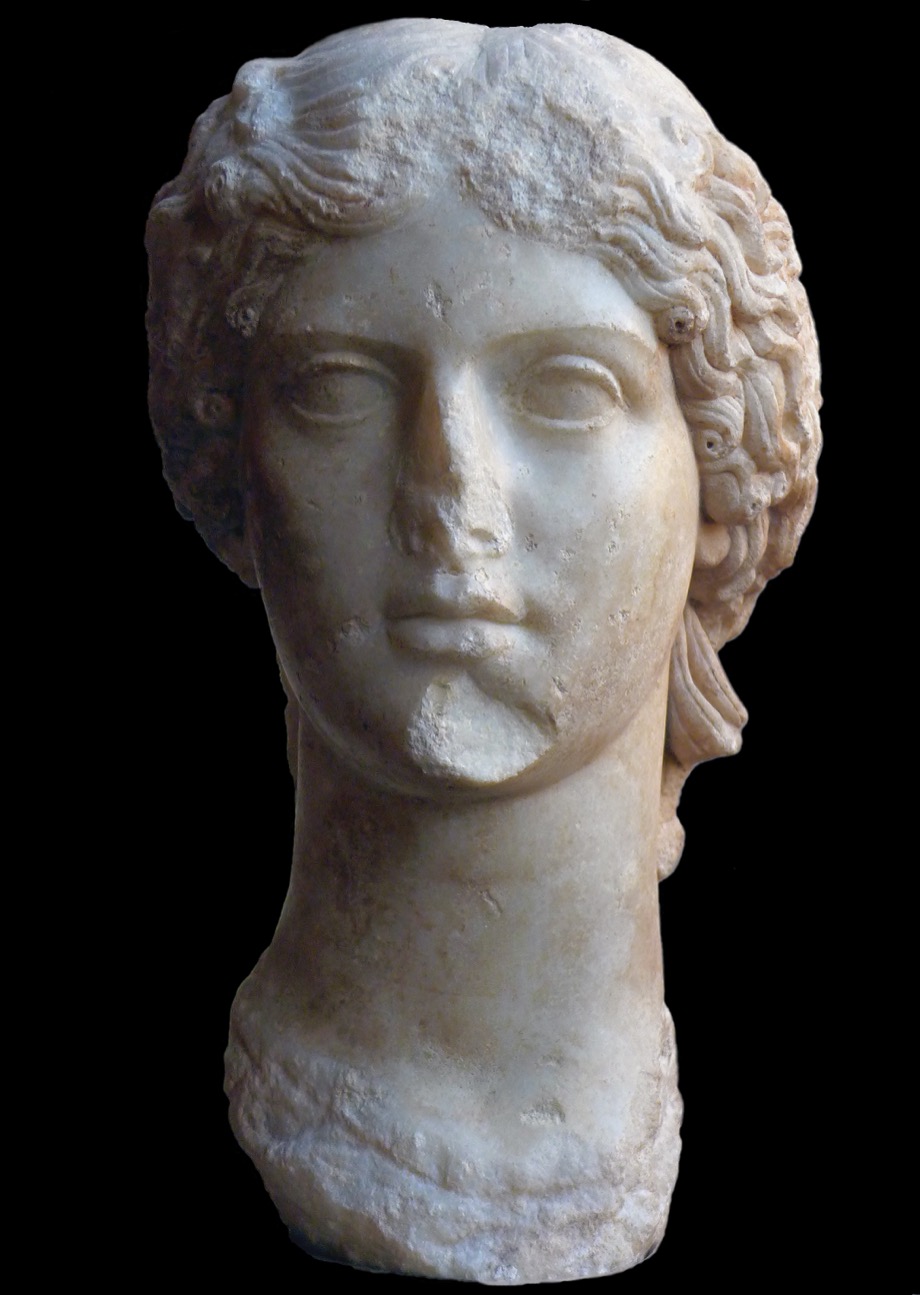
Portrait of Agrippina the Elder
The Ashes She Would Not Let Rome Forget
When Germanicus died at Antioch in 19 CE, under circumstances that reeked to nearly everyone of poison, his widow did not retreat into private grief. She carried his ashes back to Italy herself, in a slow public procession that stopped at every port between Syria and Brundisium, crowds gathering to meet her at each one — and by the time she reached Rome, the journey had become something closer to an indictment than a funeral. She was, by then, already a public figure in her own right: granddaughter of Augustus, she had spent years on campaign with Germanicus along the Rhine, staying with the legions through a near-mutiny and, according to Tacitus, standing at a bridgehead handing out clothing and supplies to soldiers streaming back in retreat rather than fleeing to safety herself.
That combination — physical nerve in a war camp, and an unerring instinct for how a gesture of mourning could be turned into a decade-long political weapon — is the signature of ENTJ. Agrippina the Elder was not a passive royal wife absorbing tragedy. She was a commander who happened to have lost her army's general, and she spent the rest of her life running a one-woman campaign against the emperor she believed had killed him, refusing exile from public life until Tiberius finally imposed exile from Rome itself.
Agrippina the Elder was ENTJ: dominant Te organized the camp and, later, the campaign against Tiberius; auxiliary Ni saw exactly what a funeral procession could become.
The Woman Who Steadied the Rhine
Germanicus's Rhine campaigns were shadowed, in 14 CE, by a mutiny among legions who had not been paid what they were promised. Amid the chaos, a rumor spread that the Germanic tribes were about to overrun the camp, and panicked soldiers moved to tear down the bridge across the river to cut off their own retreat route rather than defend it. Tacitus records Agrippina intervening directly — refusing to be evacuated, standing at the bridgehead, organizing the distribution of clothing and supplies to the wounded and retreating. It is not the behavior of a woman managing appearances; it is the behavior of someone who sees a logistics problem and solves it, in the middle of a war zone, without waiting for permission.
That same executive instinct carried into her decade of open conflict with Tiberius and Sejanus after Germanicus's death. She did not sulk or negotiate quietly. She complained publicly about being poisoned, refused Tiberius's suggestion that she remarry — a refusal that was itself a political statement, since remarriage would have folded her back into someone else's household and someone else's agenda — and kept pressing her case in the most visible arenas available to a Roman woman of her rank. Te does not need a magistracy to organize an opposition; it only needs a target and the will to keep working it.
Even her arrest in 29 CE reads as confirmation of how much organized pressure she had built: Tiberius did not simply ignore her, he had to formally silence her, banishing her to the island of Pandateria. A quieter, more accommodating temperament would not have required that kind of state response.
A Funeral as a Long Game
The procession that carried Germanicus's ashes from Antioch to Rome was not a spontaneous outpouring — it was a strategic decision, sustained over months, to route Roman grief directly toward Tiberius. Agrippina understood something most mourners in her position would not have grasped: that public sympathy, properly staged and timed, could function as an accusation no court would ever have to formally file. She did not need a trial to convict Piso and, by implication, Tiberius, in the public imagination. She needed only ports full of people watching an urn go by.
That is Ni working in service of Te — not intuition for its own sake, but a long-range read on how a single symbolic act would ripple through years of political consequence. The procession did not resolve anything quickly; it set the terms of a conflict that would occupy the rest of her life. She was playing a game measured in years, not the immediate tactical horizon of a single confrontation, and she never lost sight of the throughline connecting her husband's death to the man she held responsible for it.
Refusing the Ship Home
Agrippina's tertiary Se shows up less as sensory pleasure than as a raw willingness to stay physically present in danger rather than let others manage it for her. She could have sailed back to Rome with the children at the first sign of unrest on the Rhine; instead she stayed with the army, and stayed close enough to a breaking mutiny that Roman officers reportedly worried what her presence — and Caligula's, as a small boy dressed in a miniature soldier's uniform among the men — might provoke or prevent. That comfort operating inside physical risk, rather than merely tolerating it, is Se in a supporting role to a Te-Ni core that had already decided the campaign was worth the exposure.
The Grief She Would Not Privatize
Inferior Fi is visible mostly in its absence — in how little Agrippina seems to have processed her grief inwardly before turning it outward into public strategy. A dominant-Fi temperament mourning a murdered husband might have withdrawn, protected the feeling as something private and sacred; Agrippina instead made her grief the engine of a public campaign, effectively refusing to let sorrow exist except as fuel for confrontation. It cost her: contemporaries and later historians alike read her as harsh, difficult, almost brittle in her refusal to soften. That is the inferior function's typical bargain — the values are there, fiercely held, but expressed through action and accusation rather than through any language of private feeling.
Why ENTJ Over INTJ
Why not INTJ?
An INTJ Agrippina would have run the same long game against Tiberius from the shadows, letting proxies and quiet maneuvering do the work while she stayed out of view. That is not what happened. She stood at the bridgehead in front of the whole army; she walked the ashes home through every port herself, in full public view, rather than sending them ahead with an escort. The instinct to lead visibly, to be the face and voice of the confrontation rather than its unseen architect, is extraverted judgment, not introverted — Te directed outward at people and events, not Ni working alone behind a closed door.
ENTJ accounts for both halves of her: the woman capable of organizing a camp under threat of collapse, and the woman capable of turning her own husband's funeral into the opening move of a decade-long political war. Neither half makes sense without the other, and neither is quiet.
Connected Figures
Further Reading
- The Annals — TacitusThe primary ancient account of Agrippina's political conflict with Tiberius and Sejanus.
- The Twelve Caesars — SuetoniusCorroborating detail on Germanicus, Caligula, and the wider Julio-Claudian household.
- Agrippina: Sex, Power, and Politics in the Early Empire — Anthony BarrettThe standard modern biography, covering both Agrippinas in full.
- Rome's Revolution — Richard AlstonContext on the court politics and factional struggles of the early Julio-Claudian era.
