 Historical Figure MBTI
#599 · 5-4-26 · The Age of the Borgias
Vannozza dei Cattanei
Mother of the Borgias · Roman Businesswoman · The Durable Matriarch
1442 — 1518
6 min read
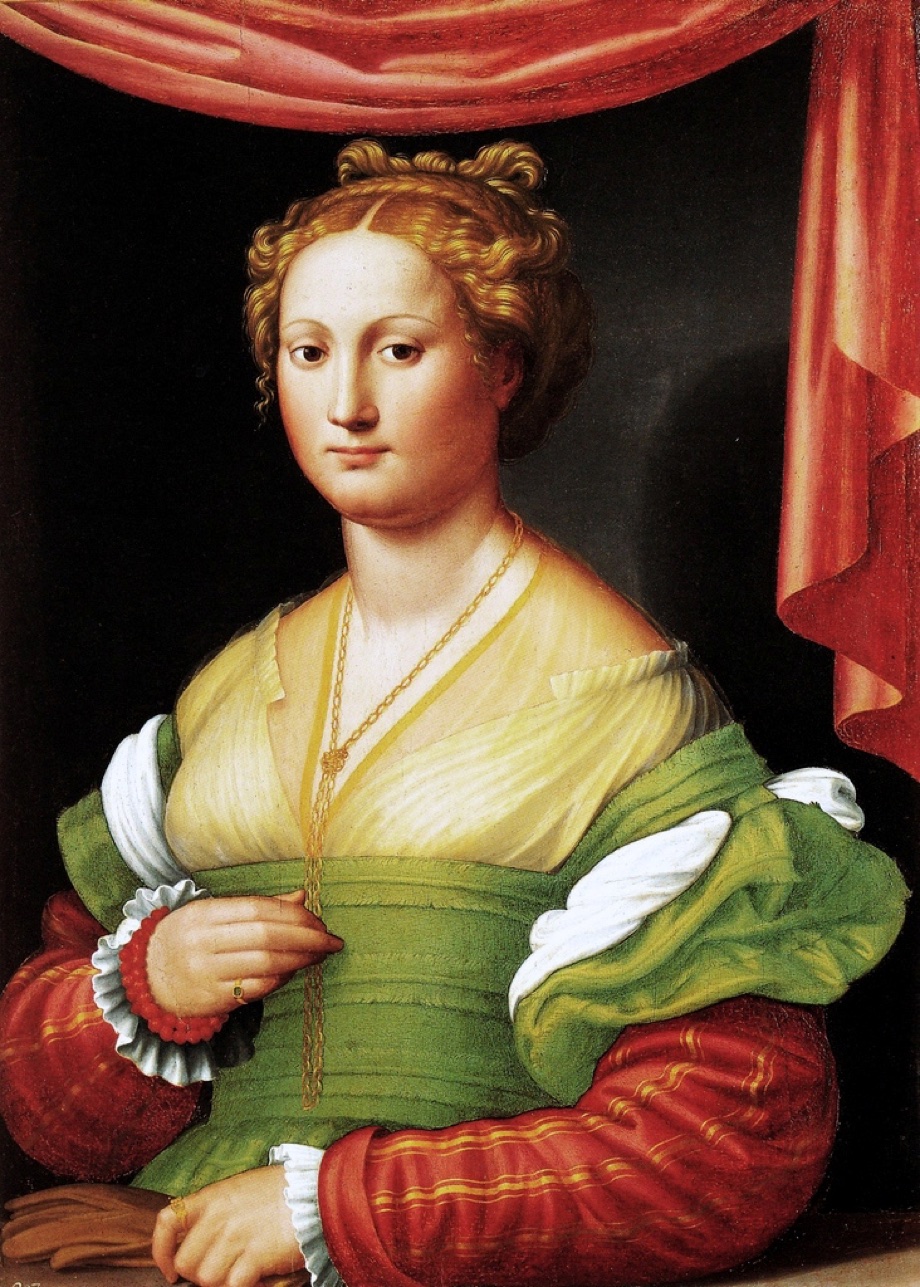
Portrait of Vannozza dei Cattanei
The One Who Built and Kept
While the Borgias gambled thrones and burned out one by one, their mother bought vineyards. Vannozza dei Cattanei is the quiet counterweight to the most theatrical family of the Italian Renaissance — the still center around which the poison, the murder, and the ambition all revolved. She was the long-term mistress of Cardinal Rodrigo Borgia, the future Pope Alexander VI, and the mother of his four most consequential children: Cesare, Juan, Lucrezia, and Gioffre. Yet she is the one Borgia who neither schemed for a crown nor burned for a cause. She simply built, kept, and endured.
As Rodrigo climbed toward the papacy, their affair cooled into something more useful, and for respectability he married her off to a succession of complaisant husbands — while she remained the mother of his brood and stayed on cordial terms with him for life. In the background, discreet and self-contained, she assembled a portfolio of Roman real estate and grew genuinely rich in her own right, a canny businesswoman in an age that gave women almost no such openings. She watched her children rise to dazzling heights and then fall, outlived nearly all of them, and died respected and pious in 1518, honored as few papal mistresses ever were.
Vannozza is the ISTJ as matriarch: Si's careful, discreet stewardship of property and reputation, married to Te's shrewd, unromantic head for real assets — the one who accumulated and lasted while everyone around her spent themselves to nothing.
The Discretion of the Background
Si — dominant
Dominant Si trusts what is settled, proven, and secure — and it prefers to work out of sight. Vannozza's whole life is an exercise in staying deliberately in the background of a family that lived on spectacle. Where Rodrigo courted the College of Cardinals and her sons paraded through Rome in cloth of gold, she kept her name off the banners. When the cardinal's rising station made an open mistress a liability, she did not fight for status; she accepted a series of arranged, respectable marriages that gave her cover, and she managed the transition without scandal. That is the Si instinct for continuity over display — a settled respect for security, arranged so that nothing could be taken away.
The same conservatism governed her relationships. She did not cling to Rodrigo as a lover nor turn on him as a discarded one; she converted the connection into a durable, lifelong cordiality. Her home stayed a fixed point in the Borgia orbit — steady enough that her grown children, including Juan on the last night of his life, still came to dine at her table. She managed reputation the way she managed property: carefully, quietly, and for the long term.
A Head for Real Assets
Te — auxiliary
If Si kept her safe, auxiliary Te made her rich. Vannozza had a plain, practical businesswoman's eye for things that hold their value, and she used it relentlessly. Across her life she built and managed a substantial portfolio of Roman property — inns and taverns that threw off steady rents, vineyards, and houses — the sort of unglamorous, income-producing assets that a woman could actually own and control. In a city where the Borgia men chased benefices, armies, and duchies that vanished the moment fortune turned, she accumulated the kind of wealth that does not evaporate: bricks, land, and leases.
This is Te at its most grounded — not the outward command of an empire-builder but the efficient administration of a going concern. She understood cash flow, tenancy, and the value of a well-placed inn better than her sons understood the loyalty of a mercenary captain, and the results speak in the hardest currency there is: she died genuinely wealthy, her fortune intact, having converted the precarious position of a papal mistress into a self-sufficient estate.
The Piety That Outlasted Them All
Fi — tertiary
Beneath the ledgers ran a private, unshowy set of convictions. Vannozza was quietly and genuinely devout — a benefactor of Roman churches and confraternities, giving to the Gonfalone brotherhood and endowing charitable works with the same steadiness she brought to her rents. Tertiary Fi in an ISTJ is rarely worn on the sleeve; it lives as a durable inner code that surfaces in what a person quietly does rather than what they proclaim. Hers showed in her constancy: to her faith, to her children, and to a sense of her own worth that no arrangement of husbands ever dislodged.
That inner steadiness was tested hard. She lived to see Juan murdered — his body pulled from the Tiber after a dinner at her own house — and watched Cesare's meteor rise and crash, outliving him too. A more brittle temperament would have broken under the loss of so many children. Vannozza absorbed it, kept her faith and her household intact, and turned in old age toward penance and charity. When she died in 1518, she was mourned as a Roman matron of substance rather than a discarded mistress — a quiet vindication of a life built to last.
Why ISTJ Over ESTJ
Why not ESTJ?
The Te competence is real enough that ESTJ is the obvious alternative: here is a woman who ran a portfolio of properties and managed a family's reputation with executive efficiency. But the ESTJ wants the stage — public authority, visible command, the outward organization of people and institutions. Vannozza wanted the opposite. She worked in the background, discreet and self-contained, and never sought the platform her children fought and died over. Her competence was private stewardship, not public command — introverted Si diligence quietly building security, not the outward, managerial dominance of an ESTJ.
The whole shape of her life turns on that inward orientation. An ESTJ mother of a papal dynasty would have angled for a title, a court role, a share of the visible power. Vannozza converted her position into rents and vineyards and slipped out of the frame, content to be secure rather than seen. She is the ISTJ in its most characteristic register: not the one who rules the household, but the one who quietly makes sure the household still stands after everyone flashier has fallen.
Connected Figures
Further Reading
- The Borgias and Their Enemies — Christopher HibbertA vivid narrative history of the family; strong on the domestic and Roman world in which Vannozza built her fortune.
- The Borgias: The Hidden History — G. J. MeyerA revisionist account that questions the darkest legends and takes the family's ordinary Roman life seriously.
- The Borgias: The Rise and Fall of a Renaissance Dynasty — Michael MallettThe standard scholarly treatment of the dynasty, careful with sources and with the roles of the Borgia women.
