 Historical Figure MBTI
The Age of the Borgias
~1492 – 1513
Renaissance Rome and Florence at their most brilliant and corrupt — the Borgia papacy, Cesare's bid to forge a state, Savonarola's bonfire, and the failed diplomat who watched it all and wrote The Prince.
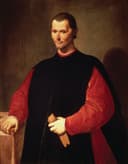
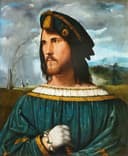
The same Italy that produced the serene genius of the High Renaissance also produced its most spectacular corruption — and the two ran through the same rooms. In 1492 a charming, worldly Spaniard bought the throne of Saint Peter and became Pope Alexander VI, running the Church as a machine to enrich his children. The most gifted of them, Cesare Borgia, threw off a cardinal's hat to carve a kingdom out of central Italy by cunning and terror — employing Leonardo da Vinci as his military engineer — while his sister Lucrezia was married from dynasty to dynasty and slandered into legend. When Alexander died, the whole edifice fell in a season, and the Borgias' enemy became the terrifying warrior-pope Julius II, who set Michelangelo to work on the Sistine ceiling even as he rode to war in armor.
Florence, meanwhile, had already lived through its own convulsion — the fanatical friar Savonarola, who ruled the city by prophecy, burned its vanities, denounced the Borgia pope, and was burned in turn in the public square. And watching all of it, from an undistinguished desk in the Florentine chancery, was a diplomat named Machiavelli. Sacked and exiled when the Medici returned, he sat on his farm and wrote the book that stripped the morality out of politics and described power exactly as he had seen the Borgias use it. This is the Renaissance with the mask off — the age that gave the world The Prince.
11 figures · sorted by birth year
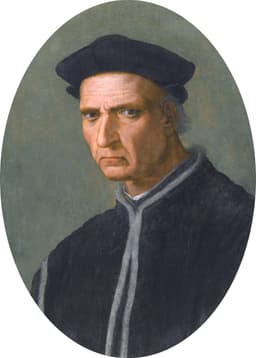
Piero Soderini
notableISFJ
The decent, moderate gonfaloniere overwhelmed by an age of Borgias and warrior-popes — the dutiful, conciliatory ISFJ.
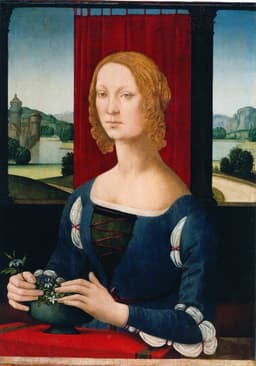
Caterina Sforza
renownESTP
The Tigress of Forlì, who held her fortress against Cesare Borgia sword in hand — the fearless, defiant ESTP.
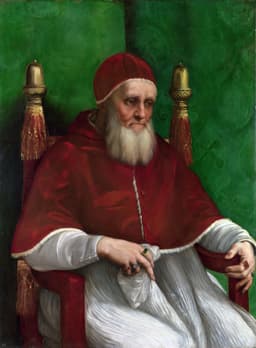
Pope Julius II
renownENTJ
Il papa terribile — the warrior-pope who destroyed the Borgias, led armies in armor, and set Michelangelo to the Sistine ceiling — the visionary ENTJ.
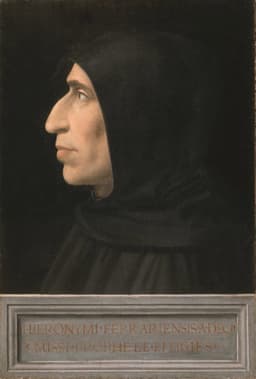
Girolamo Savonarola
renownINFJ
The apocalyptic friar who ruled Florence by prophecy, burned its vanities, defied the Borgia pope, and burned for it — the INFJ prophet.
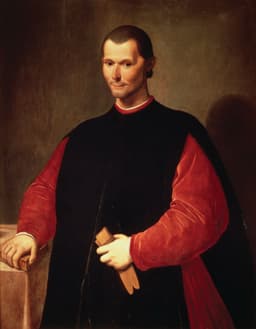
Niccolò Machiavelli
iconicINTP
The exiled diplomat who invented the cold science of power by describing men as they are, not as they should be — the analytical INTP.
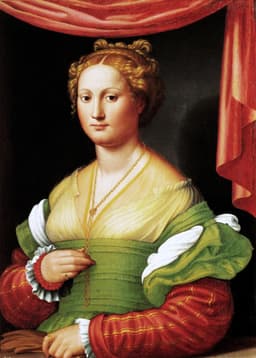
Vannozza dei Cattanei
notableISTJ
The shrewd Roman businesswoman and mother of the Borgias who built, kept, and outlived them all — the durable matriarch ISTJ.
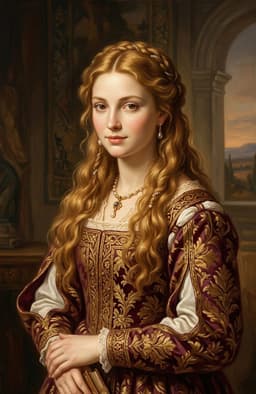
Giulia Farnese
notableESFP
The pope's beautiful young mistress, who turned her charm into a cardinal's hat for the brother who became Pope Paul III — the alluring ESFP.
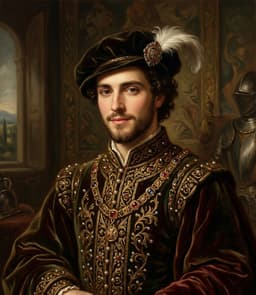
Juan Borgia
notableESFP
The favored Borgia son, loaded with honors he couldn't carry and pulled dead from the Tiber — the indulged golden boy ESFP.
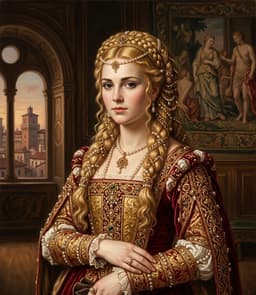
Lucrezia Borgia
renownISFP
The pope's daughter, slandered as a poisoner but really a pawn who became a gracious, capable Duchess of Ferrara — the quietly resilient ISFP.
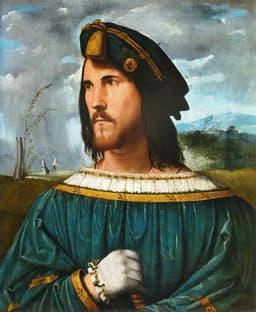
Cesare Borgia
iconicENTJ
The cardinal who threw off the red hat to carve a state out of Italy by cunning and terror — Machiavelli's model prince, the ruthless ENTJ.
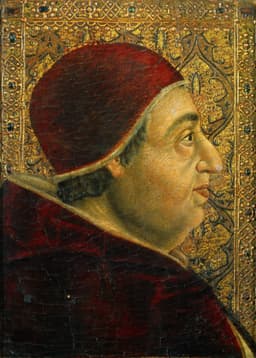
Pope Alexander VI
infamousESTP
The charming, worldly Spaniard who bought the papacy and ran the Church as a machine to enrich his children — the jovial predator ESTP.

Sign up for monthly insights
Monthly insights into history's most influential figures — examined through psychology, context, and cognitive pattern. Less stereotype, more structure. History, but with a mind map.
Powered by Buttondown