 Historical Figure MBTI
The Mongol Khanates
~1227 – 1368
The empire after Genghis — Kublai's Yuan China and the rival khanates of Persia, the steppe, and Central Asia that divided his conquest.
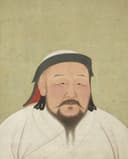
Genghis Khan left an empire too big for any one heir, and within a generation his grandsons were fighting over the pieces. The cleverest of them owed everything to a woman: Sorghaghtani Beki, the widowed daughter-in-law who raised four sons to rule and maneuvered the whole imperial succession into their hands. The eldest, Möngke, became the last Great Khan to command a united empire. When he died, two of his brothers went to war for the throne — Kublai, who had fallen in love with China, against Ariq Böke, who held the Mongol heartland — and Kublai won, founded the Yuan dynasty, swallowed the Song, and made himself emperor of all under heaven.
After that the empire was never one thing again. It became four: Kublai's Yuan in China, the Ilkhanate that his brother Hulagu carved out of Persia after he burned Baghdad to the ground, the Golden Horde that Batu ruled from the western steppe, and the Central Asian lands where Kaidu waged a forty-year war against Kublai for the soul of the old empire. And as they settled, the conquerors dissolved into the conquered — Berke and later Ghazan embraced Islam, Kublai surrounded himself with Chinese scholars and the Tibetan lama Phagpa, and his empress Chabi presided over a court Genghis would never have recognized. This is the age when the steppe became an empire of settled splendor — and began, slowly, to forget what it had been.
13 figures · sorted by birth year
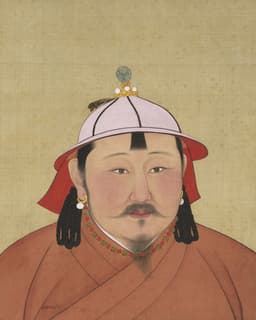
Temür Khan
notableISTJ
Kublai's heir who ended the wars and briefly reunited the khanates — the ISTJ steward who consolidated an empire.
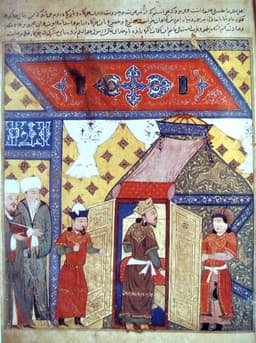
Ghazan
renownINTJ
The Ilkhan who embraced Islam and rebuilt Persia — the cerebral INTJ reformer behind the first world history.
Kaidu
notableENTJ
The disinherited Ögedeid who built a Central Asian realm and never bowed to Kublai — an ENTJ's thirty-year war.
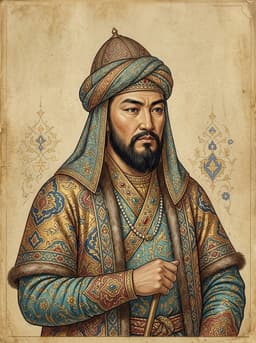
Berke Khan
notableESTJ
The first Muslim Mongol khan, who warred his cousin over Baghdad — the ESTJ ruler of order and conviction.
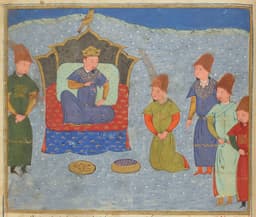
Batu Khan
renownENTJ
Founder of the Golden Horde who terrified Europe and made khans — the ENTJ conqueror-kingmaker of the west.
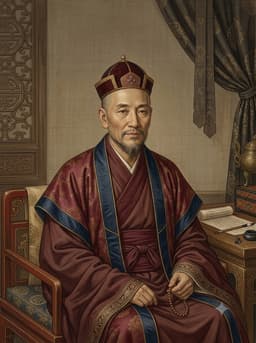
Phagpa Lama
notableINFJ
Kublai's Tibetan sage who forged a script for all tongues — the INFJ mystic who bound Tibet to the throne.
Ariq Böke
notableISTJ
Kublai's brother who fought for the old steppe ways — the ISTJ traditionalist on history's losing side.
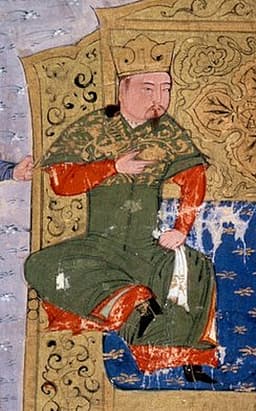
Hulagu Khan
renownENTJ
The conqueror who burned Baghdad and founded Mongol Persia — the ENTJ whose force ended the Islamic Golden Age.
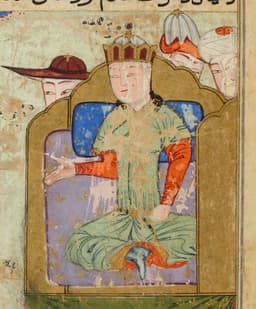
Möngke Khan
renownINTJ
The last khan of a united empire — the austere INTJ systematizer who planned conquest from Baghdad to the Yangtze.
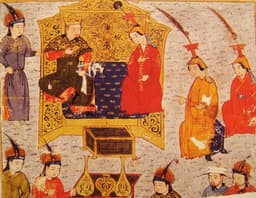
Sorghaghtani Beki
renownINTJ
The widow who raised four khans and willed an empire to her blood — the INTJ strategist who ruled from the shadows.
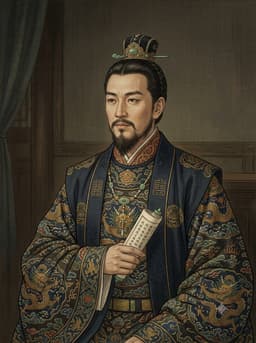
Zhenjin
notableISFJ
Kublai's Confucian heir who died too soon — the dutiful ISFJ bridge between the Mongol steppe and Chinese world.
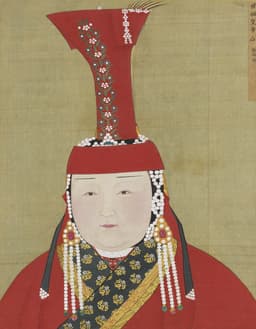
Chabi
notableENFJ
Kublai's empress and conscience — the ENFJ who tempered conquest with mercy and steered an empire by foresight.
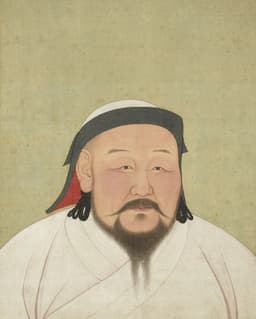
Kublai Khan
iconicENTJ
The steppe warrior who became a Chinese emperor — the ENTJ who turned his grandfather's raid into a dynasty.

Sign up for monthly insights
Monthly insights into history's most influential figures — examined through psychology, context, and cognitive pattern. Less stereotype, more structure. History, but with a mind map.
Powered by Buttondown