 Historical Figure MBTI
The Age of Saladin
~1169 – 1193
Saladin's unification of Islam and reconquest of Jerusalem, the Crusader kingdom that fell at Hattin, and the Third Crusade that pitted him against Richard the Lionheart.
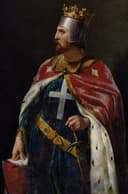
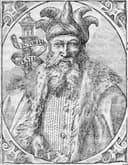
For eighty-eight years the Crusaders held Jerusalem, and then a Kurdish officer's son took it back — not with a massacre, but with a mercy that made his enemies revere him. Saladin ended the Fatimid Caliphate, united Egypt and Syria, and spent a patient decade encircling the Crusader kingdom before he destroyed its army at the Horns of Hattin in 1187. His genius was never tactical — the dying Leper King beat him in the field, and so would Richard — but moral: he made himself the embodiment of Muslim virtue, and won through honor, generosity, and the loyalty those things bought. He died so poor from giving his fortune away that there was not enough to pay for his grave.
The kingdom he broke had broken itself first — the weak Guy of Lusignan led to ruin by the reckless brigand Reynald of Châtillon, whom Saladin beheaded with his own hand. Jerusalem's fall summoned the West's three greatest kings: the German emperor Frederick Barbarossa, who drowned in a river before he arrived; the cold, scheming Philip Augustus of France; and above all Richard the Lionheart, son of Eleanor of Aquitaine, who won every battle of the Third Crusade and still could not take the city back. The two great antagonists, Saladin and Richard, never met — and each spent the rest of history as the other's mirror.
13 figures · sorted by birth year
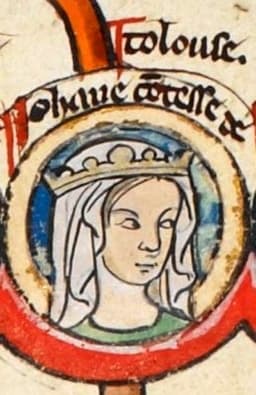
Joan of England
notableISFP
Richard's spirited sister, moved kingdom to kingdom as a pawn, who refused a king's peace-marriage on her own conviction — the strong-willed ISFP.
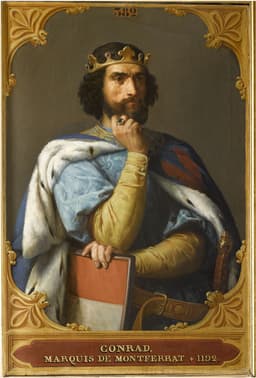
Conrad of Montferrat
notableENTJ
The able schemer who saved Tyre and grasped the crown of Jerusalem days before assassins struck him down — the ambitious ENTJ.
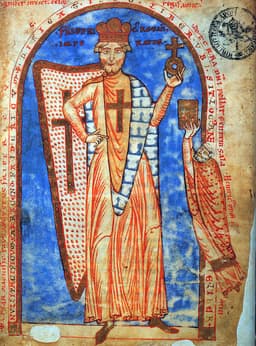
Frederick Barbarossa
renownENTJ
The warrior-emperor who chased a vision of universal empire for fifty years and drowned before reaching the crusade — the commanding ENTJ.
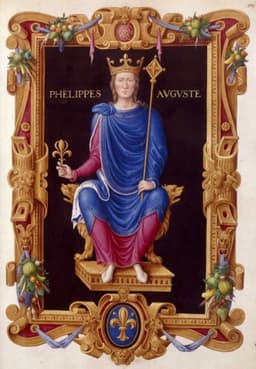
Philip II Augustus
renownINTJ
The cold French king who left the crusade to build a state and dismember an empire — the patient architect INTJ.
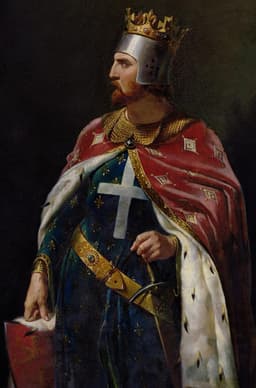
Richard the Lionheart
iconicESTP
The warrior-king who won every battle of the Third Crusade and still could not take Jerusalem — the brilliant, ungovernable ESTP.
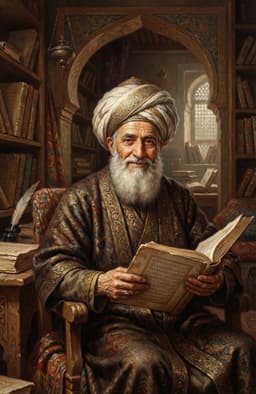
Baha ad-Din ibn Shaddad
notableINFJ
Saladin's devoted judge and biographer, whose loving portrait made the legend — the idealizing INFJ witness.
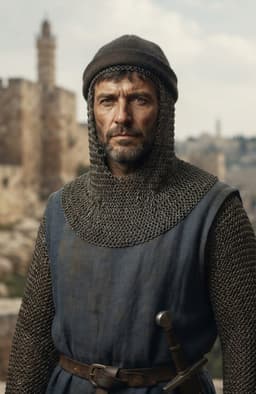
Balian of Ibelin
notableISTJ
The baron who, with a hopeless hand, bargained the survival of Jerusalem's people out of Saladin — the honorable ISTJ realist.
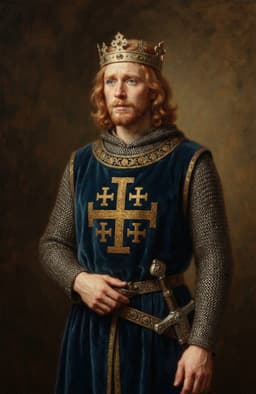
Guy of Lusignan
notableESFP
The charming, malleable king who let stronger men march his army to annihilation at Hattin — the out-of-his-depth ESFP.
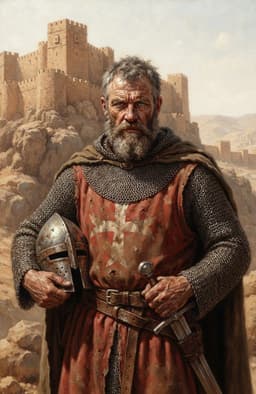
Reynald of Châtillon
infamousESTP
The reckless brigand-baron whose raids toward Mecca lit the fuse on Hattin — the lawless ESTP Saladin beheaded with his own hand.
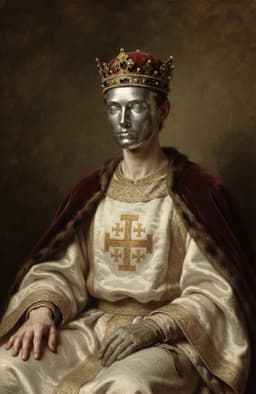
Baldwin IV
renownINFJ
The leper boy-king of Jerusalem who beat Saladin at sixteen and held a doomed kingdom together by sheer will — the visionary INFJ.
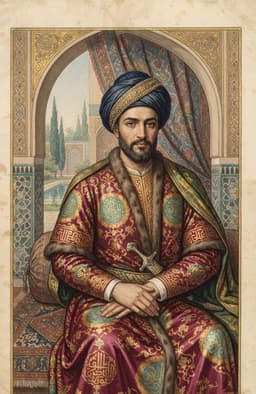
al-Adil
renownINTJ
Saladin's shrewd brother, who preserved by cold competence the empire the sultan won by charisma — the pragmatic INTJ.
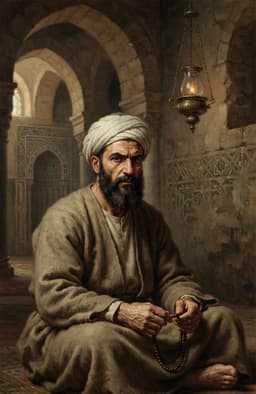
Nur ad-Din
notableISTJ
The austere, pious warlord who unified Muslim Syria and forged the jihad Saladin inherited — the disciplined ISTJ.
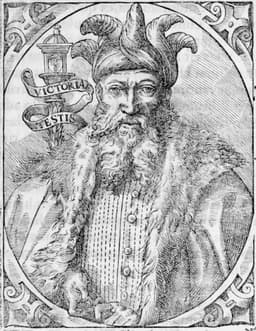
Saladin
iconicENFJ
The Kurdish outsider who united Islam and took Jerusalem back with a mercy that made his enemies revere him — the beloved ENFJ unifier.

Sign up for monthly insights
Monthly insights into history's most influential figures — examined through psychology, context, and cognitive pattern. Less stereotype, more structure. History, but with a mind map.
Powered by Buttondown