 Historical Figure MBTI
The Rise of Fascism
~1919 – 1939
Weimar's collapse, Mussolini's Rome and Hitler's Berlin — the two decades in which Europe talked itself into the next war.
Weimar Germany's democracy collapsed under men who never fully believed in it. Adolf Hitler, a failed painter turned street agitator, converted a beer-hall putsch's humiliation into a decade of patient party-building, until Paul von Hindenburg, the aging field marshal who despised him, handed him the chancellorship anyway in a bid to control him. Around Hitler gathered the men who ran the state he built: Hermann Göring, the war hero turned bureaucratic empire-builder; Joseph Goebbels, who understood that propaganda was a weapon before anyone else did; Heinrich Himmler, the meticulous administrator of terror; Reinhard Heydrich, who made the machinery of the Holocaust efficient; and Albert Speer, the architect who armed the war and then spent the rest of his life explaining he hadn't known. Ernst Röhm, who had helped build the movement's muscle, was murdered by it in 1934.
In Rome, Benito Mussolini had shown the way a decade earlier, marching on the capital and inventing the word for what he'd built; his foreign minister and son-in-law Galeazzo Ciano would keep the diary that damned him, while the aviator Italo Balbo and the poet-adventurer Gabriele d'Annunzio supplied the swagger and the myth the regime ran on. In London and Paris, the men who tried to stop the drift to war — Neville Chamberlain, Lord Halifax, Anthony Eden, Édouard Daladier — signed away Czechoslovakia at Munich believing they had bought peace; within a year Hitler's foreign minister Joachim von Ribbentrop was in Moscow instead, dividing Poland with the regime everyone had assumed was fascism's mortal enemy.
19 figures · sorted by birth year
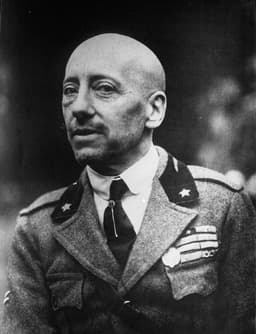
Gabriele d'Annunzio
renownENFP
The poet-adventurer whose seizure of Fiume scripted fascism's aesthetic before Mussolini existed politically.
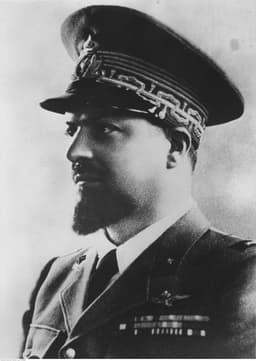
Italo Balbo
notableENTP
The aviator whose transatlantic flying spectacles made him fascism's most publicly beloved figure.
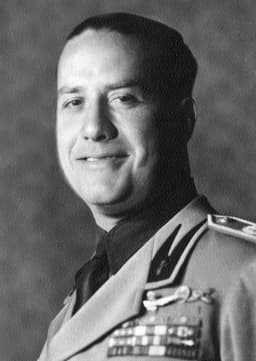
Galeazzo Ciano
notableESFP
Mussolini's foreign minister and son-in-law, whose diary recorded doubts that cost him his life.
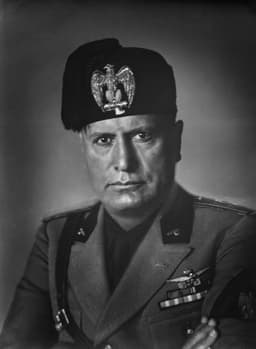
Benito Mussolini
infamousESTP
The founder of Fascism, whose street theater and swagger built and finally lost an empire.
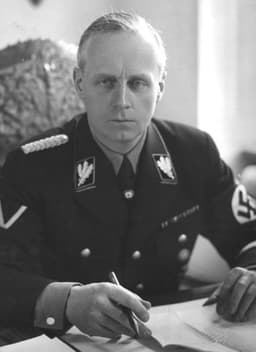
Joachim von Ribbentrop
infamousESFJ
The former champagne salesman who negotiated the Nazi-Soviet Pact and oversold Britain's passivity.
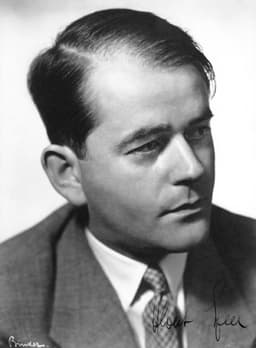
Albert Speer
infamousINTJ
The armaments minister who ran Nazi Germany's slave-labor war machine, then spent decades denying he knew.
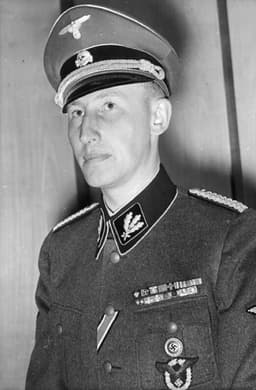
Reinhard Heydrich
infamousINTJ
The RSHA chief who chaired the Wannsee Conference and was assassinated by Czech resistance agents.
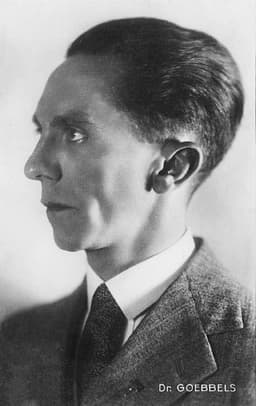
Joseph Goebbels
infamousENTJ
The propaganda minister who engineered Nazi mass persuasion and stayed a fanatic to the very end.
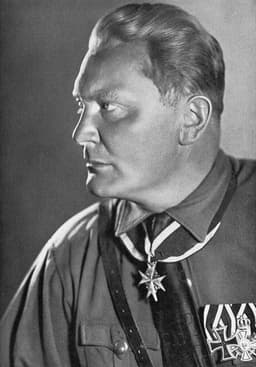
Hermann Göring
infamousESTP
The decorated WWI ace turned Luftwaffe commander, art thief, and designated Nazi successor.
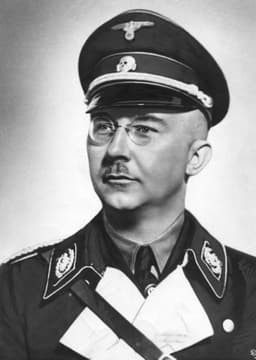
Heinrich Himmler
infamousISTJ
The fastidious bureaucrat who built and administered the entire Nazi camp and genocide apparatus.
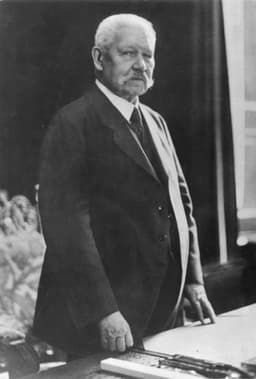
Paul von Hindenburg
renownISTJ
The aging field marshal who despised Hitler personally and appointed him chancellor anyway.
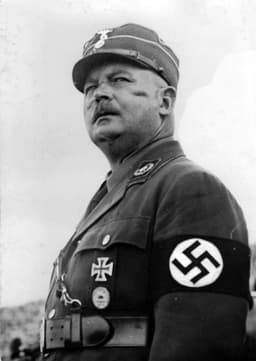
Ernst Röhm
infamousESTP
The SA commander who built Hitler's paramilitary muscle, then was murdered by the movement he led.
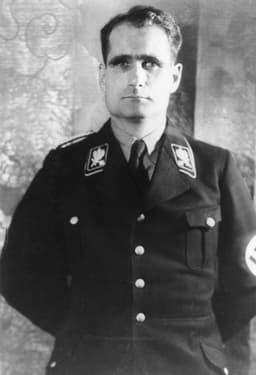
Rudolf Hess
notableINFP
The deputy Führer whose solo 1941 flight to Scotland was a peace mission no one had authorized.
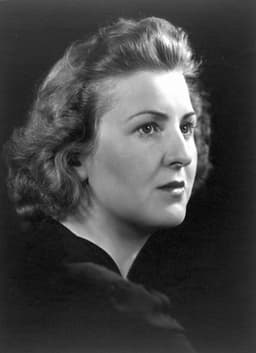
Eva Braun
notableESFP
Hitler's private companion, an apolitical devotee of fashion and film who died beside him in the bunker.
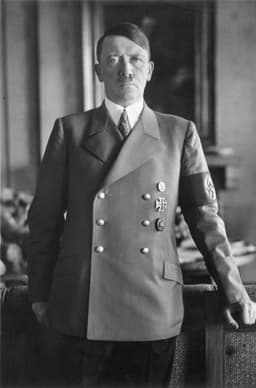
Adolf Hitler
infamousINFJ
The architect of the Holocaust and the Second World War, typed here without a shred of flattery.
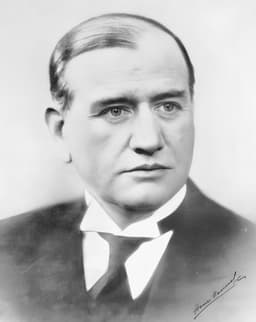
Édouard Daladier
notableISFJ
The French premier who signed the Munich Agreement dreading it was a catastrophe.
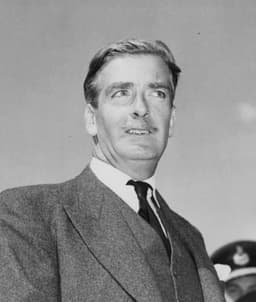
Anthony Eden
renownENFJ
The foreign secretary who resigned in 1938 rather than stay complicit in appeasing Mussolini.
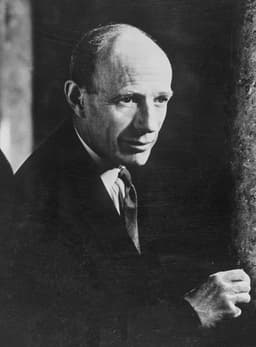
Lord Halifax
notableINTP
The foreign secretary who nearly became prime minister in 1940, and reasoned his way out of it.
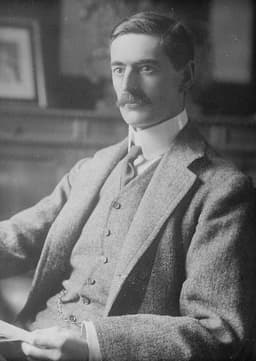
Neville Chamberlain
renownISTJ
The prime minister who signed the Munich Agreement believing he had bought Europe's peace.

Sign up for monthly insights
Monthly insights into history's most influential figures — examined through psychology, context, and cognitive pattern. Less stereotype, more structure. History, but with a mind map.
Powered by Buttondown