 Historical Figure MBTI
The Conquest of the Andes
~1532 – 1572
Pizarro's ambush at Cajamarca and the forty-year unraveling after — civil war among the conquerors, a rebel Inca state at Vilcabamba, and Toledo's ledger that finally closes it.
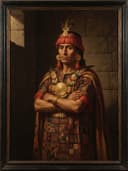
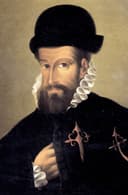
Francisco Pizarro spent twenty years as a middling Panama encomendero before he read Cajamarca's terrain — an enclosed square, concealed cavalry, the person of the king within reach — and ended an empire in an afternoon. What he captured, Atahualpa nearly out-thought from inside a locked room: he filled it with gold, ordered his brother Huáscar's death from captivity, and worked out that his captors could not all read before he worked out he would die anyway. The friar Vicente de Valverde supplied the pretext and the interpreter Felipillo supplied the words nobody trusted.
The conquerors then spent as long fighting each other as they had spent fighting the Incas. Diego de Almagro, cheated of Cusco by his own partner's contract, marched into the Atacama and found nothing before he was garroted; his son Diego de Almagro el Mozo killed Pizarro for it and lost his own head at twenty-two. Gonzalo Pizarro rebelled against the Crown itself over the New Laws, propped up by the wit and cruelty of Francisco de Carvajal, until a sickly cleric named Pedro de la Gasca dissolved the whole rebellion with nothing but blank royal pardons and a patient correspondence. Meanwhile Manco Inca escaped Spanish humiliation to besiege Cusco for ten months and then ran a rebel state from Vilcabamba for eight years, a resistance his son Titu Cusi Yupanqui extended by negotiation and his grandson Túpac Amaru ended on a scaffold in 1572, the year Francisco de Toledo — having spent five years personally inspecting the whole viceroyalty, and having used Polo de Ondegardo's discovery of the hidden royal mummies to dismantle what was left of the old religion — finally closed the ledger. What survived the closing was written down: by the mestizo Garcilaso de la Vega, who invented the Inca golden age for a European readership, and by Guaman Poma de Ayala, who walked 1,189 illustrated pages toward a king who never read them.
21 figures · sorted by birth year
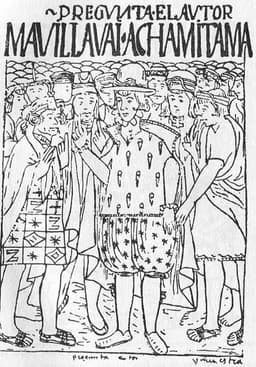
Felipe Guaman Poma de Ayala
notableINFJ
Walked 1,189 illustrated pages toward a king who never read them — found in a Copenhagen library three centuries later.
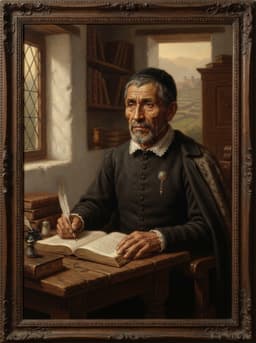
Garcilaso de la Vega, el Inca
renownINFP
The conquistador's mestizo son who left Peru at 21 and spent old age in Spain inventing the Inca golden age for Europe.
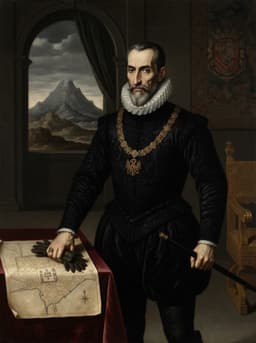
Francisco de Toledo
renownINTJ
Spent five years personally inspecting his viceroyalty, then built the reducciones and mita machine — and killed the last Inca.
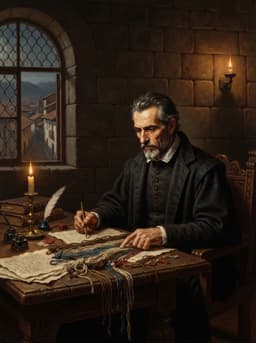
Polo de Ondegardo
notableINTP
The magistrate who solved the puzzle nobody else could: where the mummies of the Inca emperors had gone.
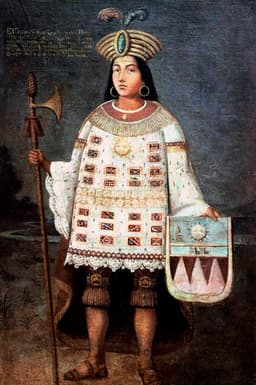
Túpac Amaru
renownISFP
The last Sapa Inca, raised for the sun cult not the throne, silenced fifteen thousand mourners with one raised hand before his execution.
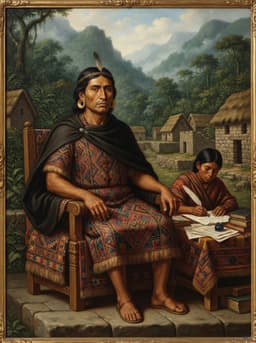
Titu Cusi Yupanqui
notableENFJ
Negotiated for years from the rebel state at Vilcabamba, then dictated the only Inca-authored account of the conquest.
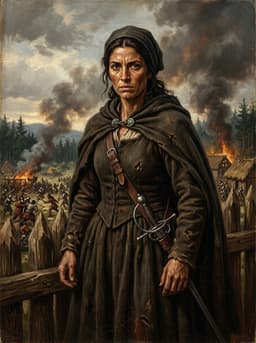
Inés de Suárez
notableESTP
Beheaded seven hostage chiefs herself to break the 1541 siege of Santiago, then rode out with a sword.
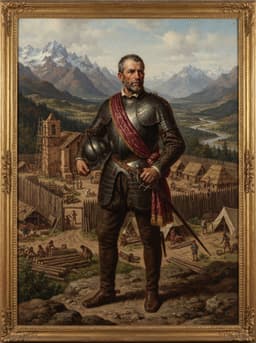
Pedro de Valdivia
notableENTJ
Chose the poorer, unclaimed south over a divided Peru and carved Chile out of it — captured and killed by the Mapuche.
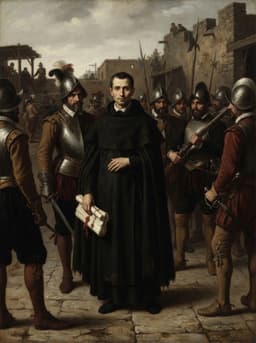
Pedro de la Gasca
renownINTJ
A sickly cleric sent to Peru with no army, just blank royal pardons — and dissolved a rebellion by letter.
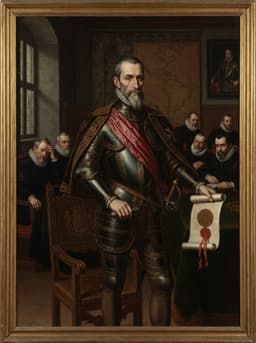
Francisco de Carvajal
infamousENTP
"The Demon of the Andes" — hanged men with jokes and verses at eighty, drawn and quartered at eighty-four.
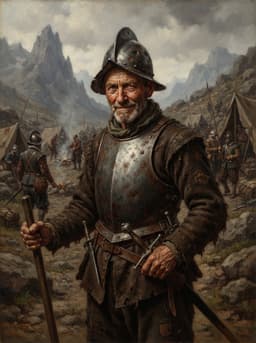
Blasco Núñez Vela
notableISTJ
The first viceroy of Peru, so rigid he stabbed a subordinate in his own palace — beheaded by the rebellion he provoked.
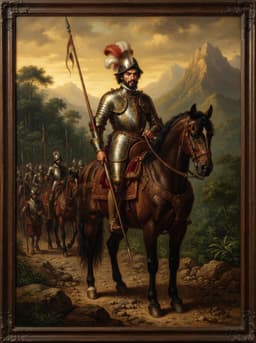
Gonzalo Pizarro
renownESTP
The best lance in Peru, who answered the New Laws with an armed rebellion that nearly broke Peru from Spain.
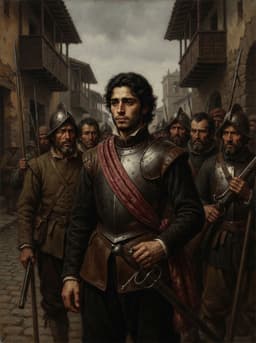
Diego de Almagro el Mozo
notableISFP
Killed Pizarro at twenty for his father's execution, was proclaimed governor, beheaded at twenty-two.
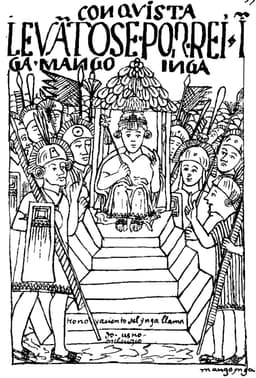
Manco Inca
renownENTJ
The puppet Inca who escaped Spanish humiliation, besieged Cusco for ten months, and ran a rebel state for eight years.
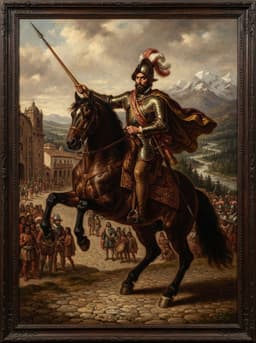
Hernando de Soto
renownESTP
Made his fortune terrifying Atahualpa at Cajamarca, then spent it all chasing a second Peru through the American Southeast.
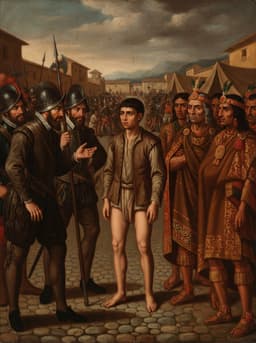
Felipillo
obscureENTP
The captive teenager forced to interpret at Cajamarca — blamed by everyone, executed within four years.
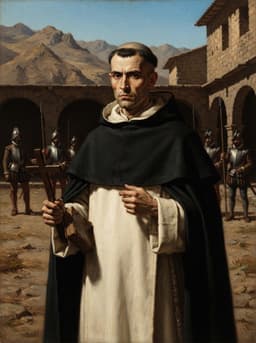
Vicente de Valverde
notableISTJ
Handed Atahualpa a breviary he could not read, then argued for his execution.
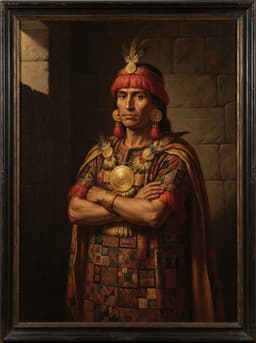
Atahualpa
iconicENTJ
Won a civil war, lost a room full of gold, and out-thought his captors from inside a locked cell.
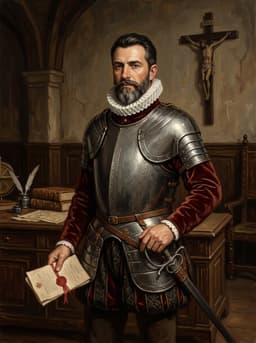
Hernando Pizarro
notableESTJ
The one legitimate, literate Pizarro brother — carried the ransom gold to Spain and executed Almagro.
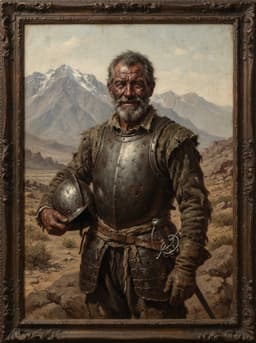
Diego de Almagro
renownESFP
The one-eyed foundling general who gave away everything he won — cheated of Cusco, garroted by his own partner.
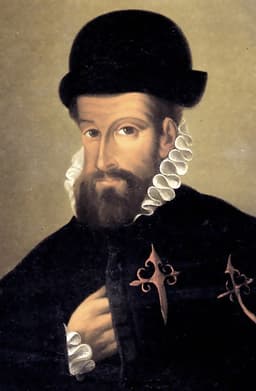
Francisco Pizarro
iconicISTP
Twenty quiet years in Panama, then an afternoon at Cajamarca that ended an empire.

Sign up for monthly insights
Monthly insights into history's most influential figures — examined through psychology, context, and cognitive pattern. Less stereotype, more structure. History, but with a mind map.
Powered by Buttondown