 Historical Figure MBTI
The Enlightenment
~1715 – 1789
Voltaire, Rousseau, Diderot and the philosophes who argued the old order to pieces — and the French court that patronized and feared them.
For most of the eighteenth century, a loose republic of writers argued the old order to pieces. Voltaire mocked church and crown from a safe distance and made mockery a political weapon. Rousseau insisted that civilization itself had corrupted us, and wrote sentences that would later be quoted at the barricades. Diderot spent twenty years building the Encyclopédie, a book designed to put all of human knowledge — and quiet subversion — into the hands of anyone who could read.
They did not work alone. Émilie du Châtelet translated Newton and out-argued the men who patronized her; d'Alembert gave the Encyclopédie its mathematics; Madame de Pompadour protected the philosophes from inside the court of Louis XV; Condorcet carried their optimism into the Revolution that would kill him. The Enlightenment was less a doctrine than a conversation — conducted in salons, letters, and banned books — about whether reason could remake the world.
22 figures · sorted by birth year
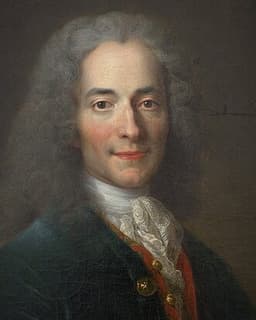
Voltaire
renownENTP · b. 1694
The most famous philosophe of the Enlightenment — wit, satirist, and fervent correspondent of Catherine the Great who called him 'the divine man of Ferney.'
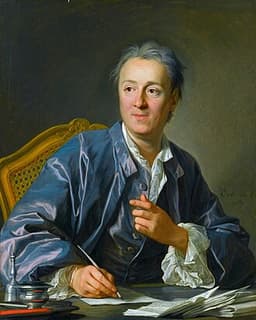
Denis Diderot
renownENFP · b. 1713
Chief editor of the Encyclopédie and one of the great philosophical minds of the French Enlightenment — who visited Catherine's court in 1773 and argued with her for months.
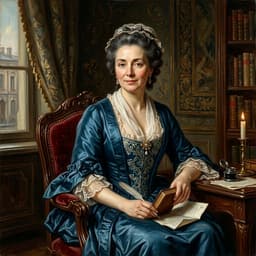
Sophie Volland
notableINTP · b. 1716
Diderot's lifelong companion and intellectual partner — known entirely through his passionate letters to her, her own letters lost.
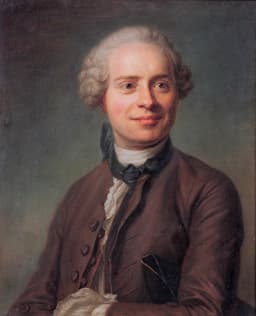
Jean d'Alembert
notableINTP · b. 1717
Co-editor of the Encyclopédie with Diderot and author of its Preliminary Discourse — the mathematician who gave mechanics d'Alembert's principle and refused Catherine the Great's invitation to tutor her heir.
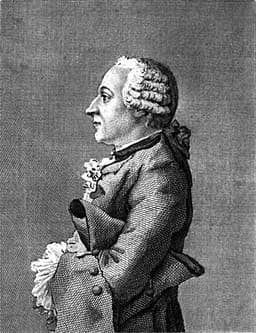
Friedrich Melchior Grimm
notableENTJ · b. 1723
Editor of the Correspondance littéraire and Catherine's cultural agent in Paris — a German-born Enlightenment broker who shaped how Europe's courts understood French intellectual life.
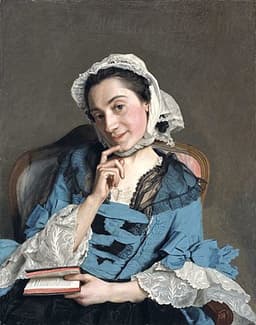
Madame d'Épinay
notableINFJ · b. 1726
French memoirist, philosophe, and salon hostess who sheltered Rousseau and corresponded with Grimm — one of the most intellectually substantial women of the French Enlightenment.
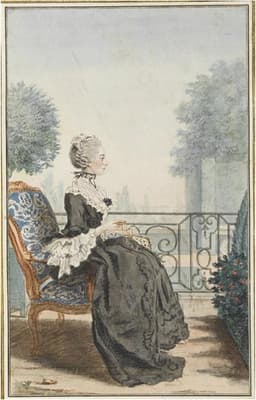
Julie de Lespinasse
notableENFP · b. 1732
The illegitimate outsider who became the salon conductor the philosophes arrived early to see — d'Alembert's devoted companion and author of the anguished love-letters that crown the literature of sensibility.
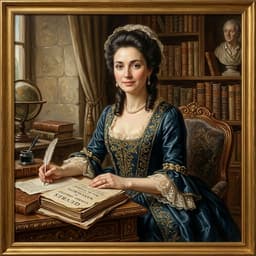
Marie-Angélique Diderot
ISFJ · b. 1753
Diderot's beloved only daughter, who inherited his manuscripts and literary legacy — a careful keeper of her father's flame.
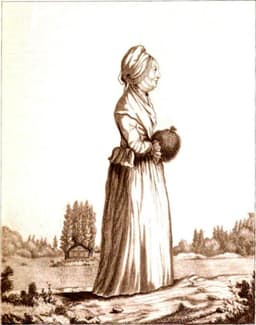
Thérèse Levasseur
notableISFJ
The near-illiterate laundry-maid who anchored Rousseau for thirty-three years and outlasted every brilliant friend who scorned her — an ISFJ
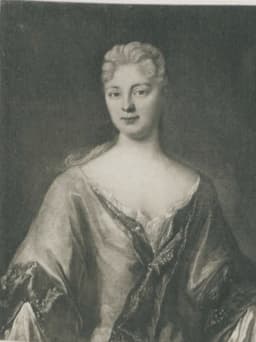
Françoise-Louise de Warens
notableENFP
The free spirit who took in the runaway Rousseau and gave him his only paradise — an ENFP whose warmth and endless schemes made him, then unmade her
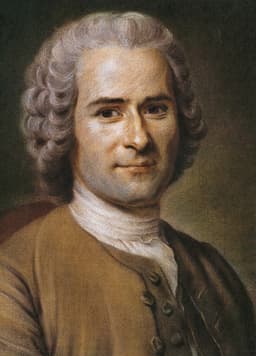
Jean-Jacques Rousseau
renownINFP
The man who trusted his own heart above the world and could not keep a friend, a child, or his peace — Rousseau the INFP
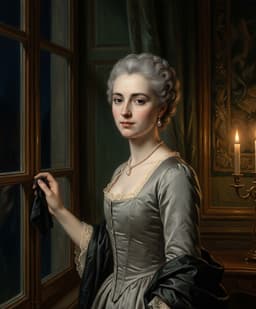
Henriette
notableUntyped
Casanova's most celebrated love — a brilliant noblewoman in disguise, untyped because she survives only as a name scratched on glass
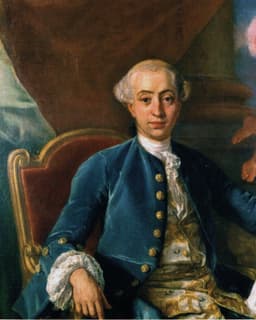
Giacomo Casanova
renownESTP
Casanova the gambler, con-man, and escape artist who lived by his wits — the ESTP who turned a life of seized moments into the greatest of memoirs
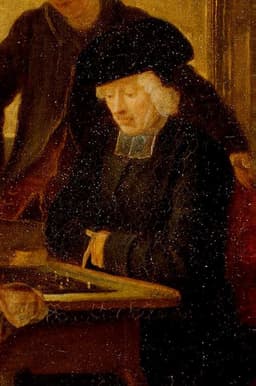
Père Antoine Adam
notableISFJ
Voltaire's resident chaplain and chess partner at Ferney — the patient ISFJ who kept his post in the house of the Church's fiercest enemy
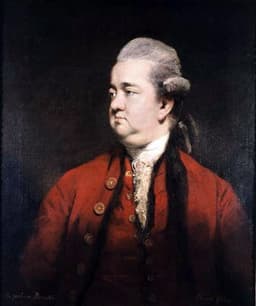
Edward Gibbon
renownINTP
Edward Gibbon, the INTP architect of the Decline and Fall, who reasoned thirteen centuries of empire into an ironic, exact monument
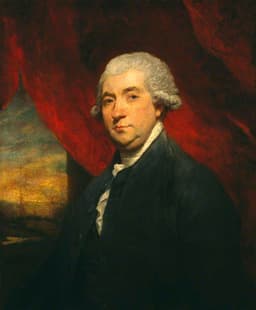
James Boswell
notableESFP
The ESFP diarist whose vivid, candid record of a lifetime of conversation became the greatest biography in English — the Life of Johnson
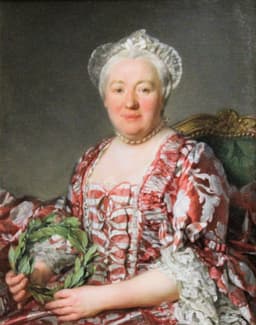
Madame Denis
notableESFP
Voltaire's niece, companion, and heir who kept Ferney warm for thirty years — the pleasure-loving ESFP behind the restless mind
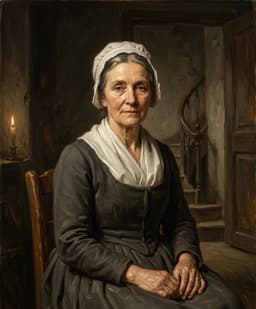
Madame Vernet
notableISFJ
The boarding-house keeper who sheltered the proscribed Condorcet through the Terror — an ISFJ whose courage was a concrete duty of the heart
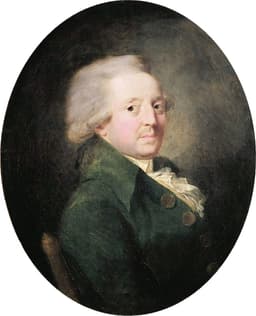
Condorcet
notableINTJ
Condorcet, the deeply feeling INTJ who wrote the Enlightenment's hymn to human progress under sentence of death
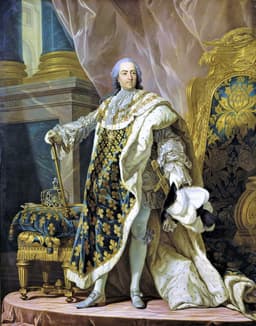
Louis XV
renownISFP
Louis XV's lifelong melancholy and reluctance to govern make him a textbook ISFP, the private heart trapped in France's most public office
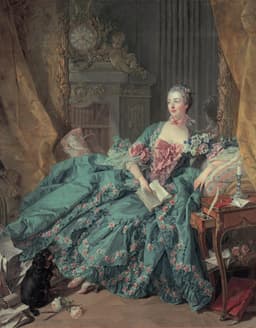
Madame de Pompadour
renownENTJ
Royal mistress turned de facto minister, the ENTJ who ran French patronage and statecraft for twenty years and shielded the Enlightenment
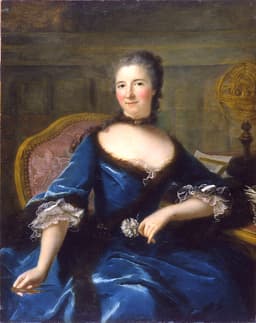
Madame du Châtelet
notableENTJ
Émilie du Châtelet, the mathematician who finished her Newton translation racing against the death she had foreseen

Sign up for monthly insights
Monthly insights into history's most influential figures — examined through psychology, context, and cognitive pattern. Less stereotype, more structure. History, but with a mind map.
Powered by Buttondown